Business insurance
Contractors and trades insurance
Everything a Queens trade contractor needs, and the one New York statute that makes this trade's insurance different from every other state's. If you work above ground level here, Labor Law 240 is the reason your premium looks the way it does.
A working contractor in this borough typically needs four things: general liability, workers compensation, commercial auto and a tools floater. On top of that come the endorsements the general contractor's contract demands, which are frequently more specific than anybody reads.
The thing that makes New York different is Labor Law 240, the scaffold law. It imposes absolute liability on owners and general contractors for gravity-related injuries — a worker falling, or something falling on a worker — with essentially no defence based on the worker's own carelessness. That flows down to you through indemnity clauses, and it is why height work here is priced as it is.
Labor Law 240 and what it does to your premium
Under section 240 an owner or general contractor is strictly liable for elevation-related injuries regardless of fault. Comparative negligence, which reduces damages almost everywhere else, largely does not apply. The result is that New York gravity claims settle at numbers that have no equivalent in neighbouring states.
For a subcontractor this arrives through the contract you signed: the general contractor is liable, the general contractor's contract requires you to indemnify them, and your policy has to be able to respond to that indemnity. Carriers know this exactly, which is why appetite for New York height work is limited and priced accordingly.
The practical consequences: never understate the height of your work on an application; read the indemnity clause before signing; and expect that a policy which looks cheap for exterior or roofing work in New York City probably carries a height exclusion you have not spotted.
Tools, equipment and the gap on every van
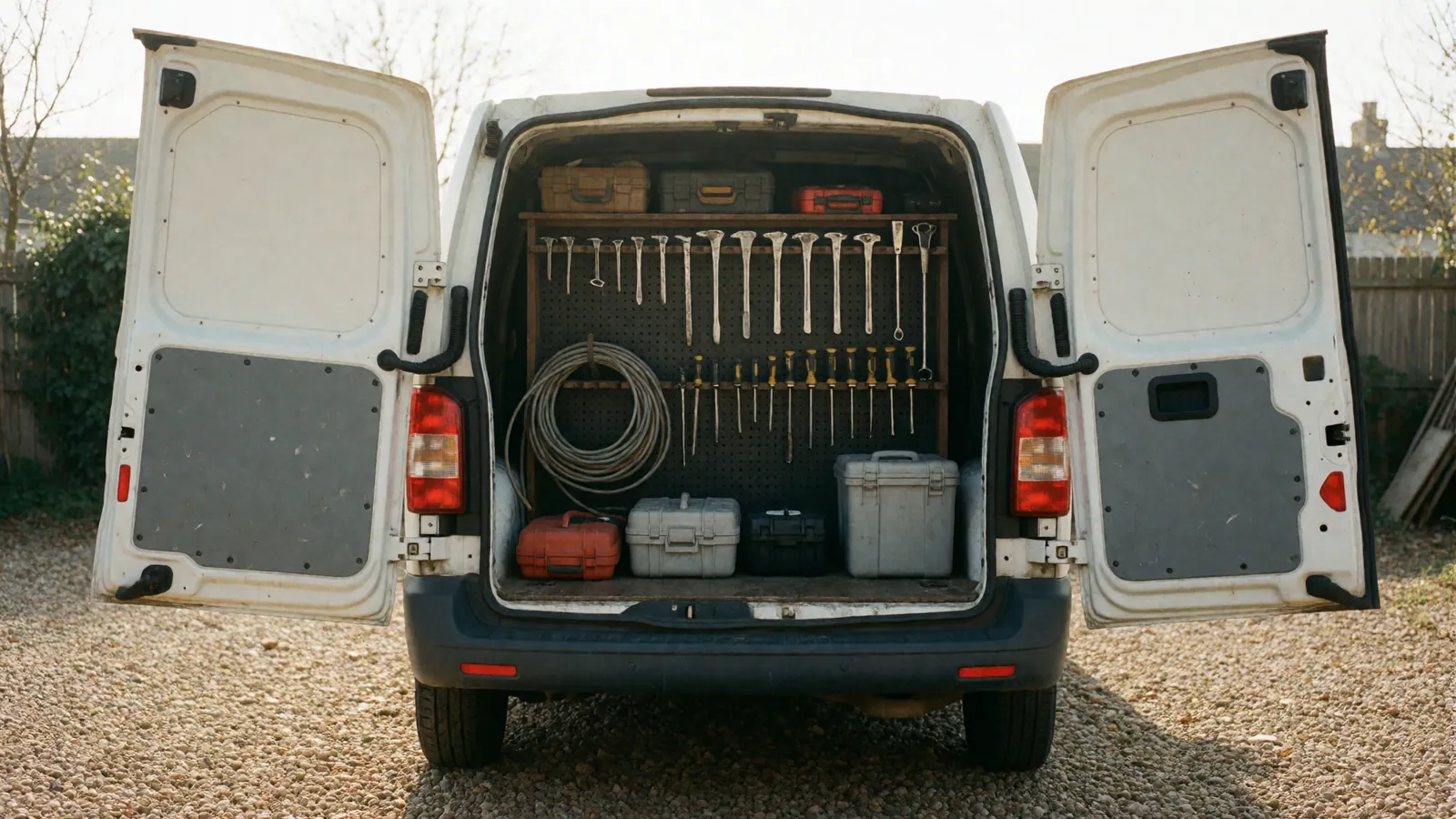
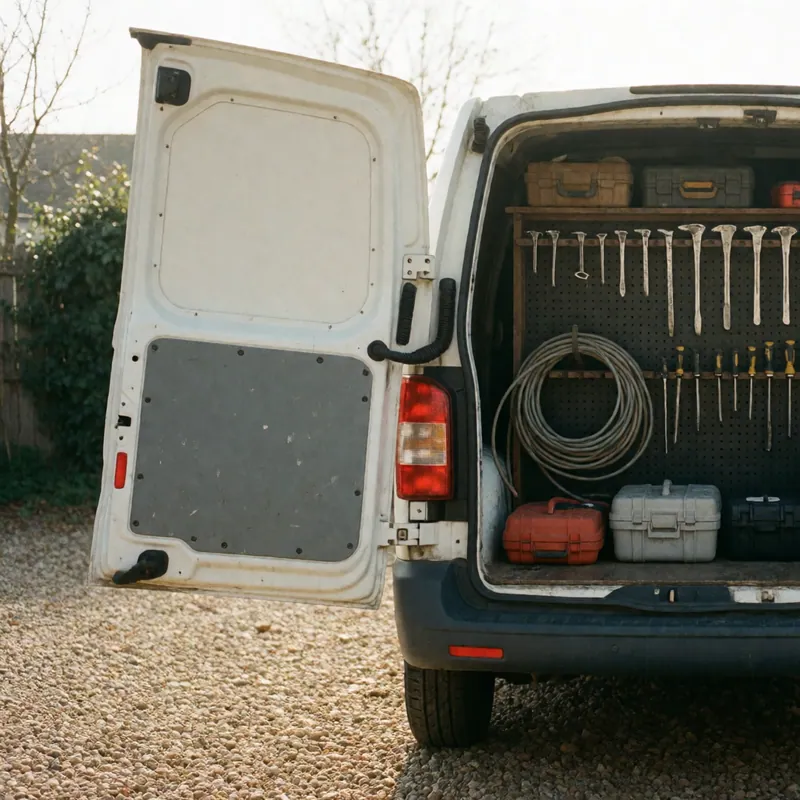
Neither the general liability nor the commercial auto policy covers the tools in your van. Tools and equipment need an inland marine policy — a contractors equipment or tools floater — which covers them at job sites, in transit and in the vehicle overnight.
This is the most common uninsured exposure we find on Queens trade vehicles. A van with eleven thousand dollars of tools in it, correctly insured for liability and physical damage, with nothing at all on the contents. A floater costs a few hundred a year and covers the loss that actually happens, which is theft rather than a crash. Scheduled larger items and a blanket limit for small tools is the usual structure.
The certificate, and what the contract really asks for
General contractors send an insurance requirements schedule with the subcontract, and it is usually several pages. It will specify limits, require additional insured status on a named form for ongoing and completed operations, require a waiver of subrogation, often require primary and non-contributory wording, and sometimes require a specific umbrella limit.
Every one of those is a policy endorsement with a cost, not a line typed onto a certificate. Send us the schedule before you sign, and we will tell you what it costs to comply and whether anything in it your policy cannot do. We will not issue a certificate describing cover that has not been endorsed — it would be false, it protects nobody, and it is the fastest way for you to end up personally liable under an indemnity you could not actually insure.
Licensing, bonds and the rest of it
Home improvement work in New York City requires a Department of Consumer and Worker Protection licence, and licensing usually carries its own insurance and bond requirements. A licence bond is not insurance and is dealt with on the surety bonds page — the short version is that it protects your customer, and you repay the surety every dollar it pays out.
Builders risk is the other one worth knowing. A structure under construction is not covered by an ordinary property policy; a builders risk policy covers the project itself during the build, and on a substantial job the contract will require it and will say who buys it.
A certificate reports cover; it does not create any. A certificate of insurance is evidence, not cover. It is a snapshot of what was in force on the day it printed, it confers no rights on the person holding it, and it does not amend the policy. If your contract needs somebody named as an additional insured, or needs a waiver of subrogation, that comes from an endorsement on the policy — which costs something, has to be requested, and is the only thing that actually changes what is covered. We will not issue a certificate describing cover that has not been endorsed, however urgently the general contractor wants it.
Included as standard
How we handle this line
The subcontract read before you sign
The insurance schedule is the document that decides what you need and what it costs. We read it and price compliance.
Height disclosed accurately
Labor Law 240 changes appetite and price. A policy quoted on understated height carries an exclusion that will find you.
A tools floater quoted alongside
Because neither the liability nor the auto policy covers what is in the van, and theft is the loss that actually happens.
Additional insured on the named form
Ongoing and completed operations, primary and non-contributory where required — as endorsements, with the cost stated.
Workers comp classified correctly
The rate spread between trade codes is enormous and a wrong code costs you every year and at every audit.
Certificates same-day, and honest
Within the hour for policies placed here, and never describing an endorsement that does not exist.
When to ring us
Signs this is worth a conversation
- A general contractor has sent an insurance schedule you have not priced.
- You work at height and are not sure whether your policy excludes it.
- Your tools are not insured anywhere.
- You have been asked for primary and non-contributory wording.
- You are using subcontractors without collecting their certificates.
- You are starting a project that needs builders risk and nobody has bought it.
Contractors insurance — what it typically costs
- Typical annual premium for a small licensed trade contractor working in New York City, moving hugely with whether the work involves height.$1,800 – $9,500
This is a typical premium range for this area. It is not a quote, and it is not our price. We do not set premiums: a carrier files its rates with the Department of Financial Services and our commission is already inside the filed rate, so the same policy from the same carrier costs the same through any producer in New York. What genuinely moves your own number is which carrier writes it, the limits and deductibles you choose, and the facts on your record — which is what we would go through with you before anything is quoted.
Questions we are actually asked
Contractors insurance — frequently asked
Why is contractors insurance so expensive in New York?
Largely Labor Law 240, the scaffold law, which imposes absolute liability on owners and general contractors for gravity-related injuries with essentially no defence based on the worker's own carelessness. That flows to subcontractors through indemnity clauses, and New York gravity claims settle at figures with no equivalent in nearby states.
Are my tools covered by my van insurance?
No. Commercial auto covers the vehicle and the liability, not the contents. Tools need a separate inland marine floater covering them at job sites, in transit and overnight. It is the most common uninsured exposure we find on trade vehicles in this area.
Can you add my general contractor as an additional insured today?
We can request the endorsement today, and we will issue the certificate once the carrier has added it. What we will not do is issue a certificate describing an endorsement that does not exist — it is false, it protects nobody, and it leaves you personally exposed under an indemnity you thought you had insured.
How much is contractors insurance in Queens?
Typically $1,800 to $9,500 a year for a small licensed trade contractor, and the range is that wide almost entirely because of whether the work involves height. Interior finishing trades sit at the bottom; roofing and exterior work at the top.
Related cover
Usually considered alongside this

Workers comp
Compulsory in New York from the first employee, with almost no exceptions and a penalty regime that does not care whether you knew.
$0.30 – $18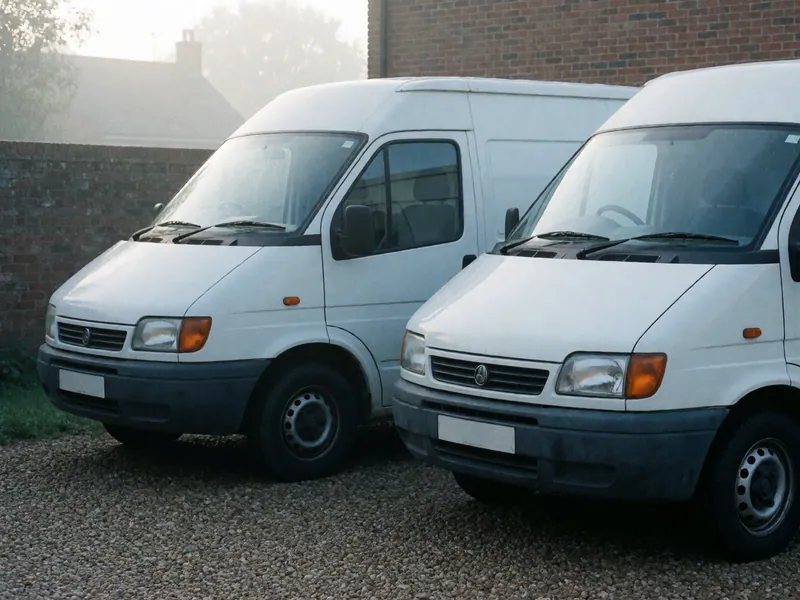
Commercial auto
The moment a vehicle earns money it stops being a personal auto — and a personal policy will decline the claim on exactly that ground.
$3,200 – $8,400
Surety bonds
Not insurance at all, despite being sold by insurers — a bond protects the person who asked for it, and you repay every dollar it pays out.
1% – 3% of bond
General liability
The policy every landlord and every general contractor asks you for, priced off your receipts and your trade rather than your luck.
$600 – $2,400Bring the declarations page and we will read it with you
Ask us what it would cost
Send or bring the summary pages of what you already have — those two sheets are where most of the useful conversation is. We will tell you what we would place it with and what that would cost, what we are paid for doing it, and whether you should move at all. Quite often the answer is that your current policy is priced fairly and you should keep it, and that is an answer we give in writing like any other.