Insurance in Woodside, NY
Our own neighbourhood, and mostly two- and three-family houses from between the wars with a dense commercial strip under the 7. Two things drive insurance here: the garaging address moves motor premiums noticeably from block to block, and a very large share of the houses are owner-occupied two-families, which is a landlord risk on one half and a homeowners risk on the other. Getting that split wrong is the most common error we find on policies people bring in.
Insurance in Sunnyside, NY
Sunnyside Gardens is a planned historic district, and that changes both the rebuilding cost and what may be done after a loss — like-for-like restoration under district rules costs more than ordinary reconstruction, and a policy written to a generic square-foot figure will be short. The co-op blocks nearby need HO-6 unit policies whose limits are set by the offering plan, not by the board's summary of it.
Insurance in Astoria, NY
Denser and more mixed, with six-storey walk-ups, converted two-families and a long commercial frontage. A great deal of our work here is renters cover, small-business packages along the avenues, and liability for landlords whose buildings have more units than their policy form contemplates. Water damage between apartments is the recurring claim and the recurring argument.
Insurance in Jackson Heights, NY
Largely pre-war co-op blocks, many of them landmarked, with a very active small-business strip. Co-op unit-owner policies and loss assessment cover matter more here than anywhere else on our list, because a landmarked building's repair bill after a common-area loss is high and the board can assess it against the shareholders.
Insurance in Elmhurst, NY
Small apartment buildings and heavily extended one-family houses, plus one of the busiest commercial strips in Queens. Extensions built over decades are where a homeowners replacement cost drifts furthest from reality, because nobody told the carrier the house got bigger. That is a five-minute correction and it is worth doing before a claim rather than after.
Insurance in Maspeth, NY
More detached housing, more garages, more small industrial and trade premises, and low ground near Newtown Creek where flood zones are real. Contractors and trades are a large share of the commercial book here, which means workers compensation class codes and New York Labour Law 240 exposure do most of the pricing.
Insurance in Long Island City, NY
New towers beside converted industrial buildings. Condo unit policies with high improvement values, commercial packages for offices and studios, and a fair amount of professional and cyber liability for the businesses that have moved in. Flood mapping along the waterfront is the thing to check before anything else.
Insurance in Rego Park, NY
Post-war blocks and one-family houses on the side streets, a settled residential book. Homeowners, auto and umbrella, mostly, and a steady amount of Medicare work — this is one of the areas where the New York community rating rule saves people the most money and is least widely known.
Insurance in Corona, NY
Older housing stock with a lot of two-family conversions and a dense retail strip. Landlord and dwelling-fire policies, bodega and restaurant packages, and commercial auto for the delivery and trade vehicles that work out of here. Certificates of insurance for landlords are a weekly job.
Insurance in Middle Village, NY
Quieter and heavily owner-occupied, with well-kept houses whose insurance problems are usually age rather than neglect — a roof or a boiler past the point where a carrier will renew without conditions. Those conditional renewal notices are governed by Insurance Law 3425 and are more negotiable than most people realise.
Insurance in Ridgewood, NY
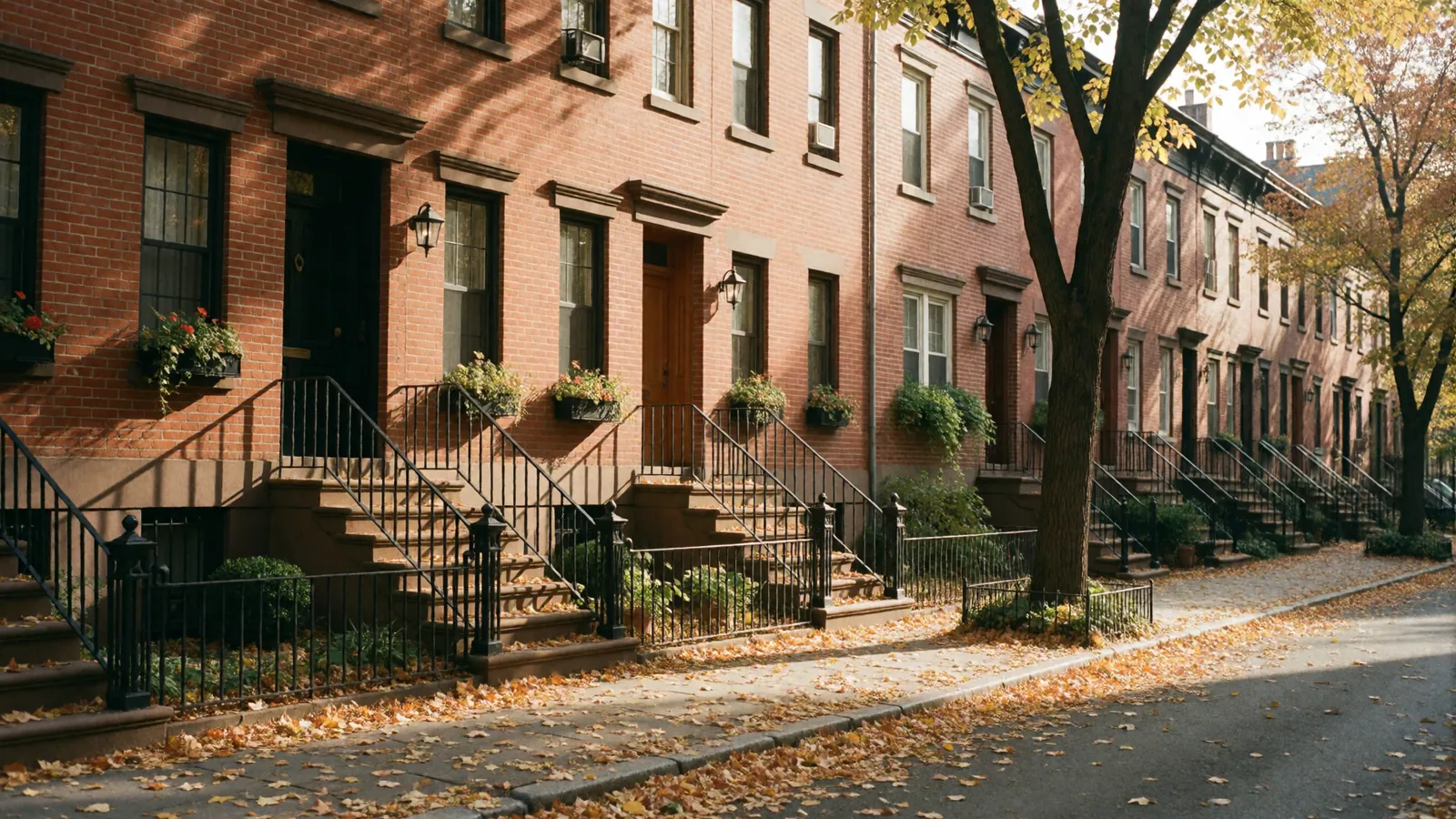
Rows of pre-war brick two-families, much of it landmarked, with a growing small-business strip. Party walls and shared roofs mean liability between neighbours comes up more here, and landmark status again raises the true rebuilding cost above the standard estimator's figure.
Insurance in Forest Hills, NY
Large one-family houses and pre-war co-ops, and the highest concentration of umbrella and scheduled valuables cover on our list. Bigger homes, bigger liability exposure and the sort of jewellery and art that passes an unendorsed homeowners policy's theft sub-limit without anybody noticing.