
Home & property insurance
Flood insurance
Excluded from every homeowners policy ever written, mapped across a good deal of Queens, and subject to a waiting period that makes buying it late completely useless. This is the one product you cannot arrange when the forecast turns.
Every standard homeowners, renters, condo and commercial property policy in the United States excludes flood. Not limits it — excludes it. That is true whether or not you are in a mapped Special Flood Hazard Area, and it is the single most consequential thing most people do not know about their own policy.
Cover comes from the National Flood Insurance Program, or increasingly from private flood insurers who now write a substantial share of this market and sometimes beat the NFIP on both price and limits. We place both and will tell you honestly which is better for your address, including when that is the government programme.

The thirty-day wait, and why it exists
An NFIP policy generally takes effect thirty days after you buy it. There are narrow exceptions — a policy purchased in connection with a mortgage closing, and certain map-change situations — but for an ordinary household the rule is thirty days and it is applied strictly.
The reason is obvious once stated: without it, nobody would ever buy flood insurance except in the week before a storm, and the programme would collect nothing and pay everything. The consequence for you is that flood is the one product where ringing us in September about a storm forecast for next week is too late. Private flood policies often have shorter waiting periods, sometimes ten to fourteen days, which is one of the practical reasons to look at them.
Zones, elevation and what actually drives the price
Your flood zone is the first question and your elevation is the second, and the second matters more than most people expect. The height of your lowest floor relative to the base flood elevation is the dominant rating factor in a mapped zone, and an elevation certificate can move a premium substantially in either direction.
Basements are treated harshly and consistently misunderstood. NFIP cover for a basement is sharply limited — essentially structural elements and certain service equipment, not finishes and not personal property. A finished basement in Queens is largely uninsurable against flood under the federal programme, and that is worth knowing before rather than after.
Also worth knowing: about a quarter of NFIP claims nationally come from outside high-risk zones. Being outside a mapped Special Flood Hazard Area lowers your premium considerably; it does not mean the water cannot reach you.
Flood against sewer backup — a distinction that decides claims
These are different perils with different policies and the difference is where the water came from. Surface water rising and entering the building is flood, and needs a flood policy. Water coming back up through your own drains or sewer connection is backup, and is covered by an endorsement on your homeowners policy.
In a heavy rain both can happen in the same hour in the same basement, which is why we quote both for houses near low ground. A household with a flood policy and no backup endorsement, or the reverse, has bought half the answer — and the adjuster's determination of which peril applies is not something anybody can predict in advance.
Where this matters in our service area
The low ground near Newtown Creek in Maspeth, parts of Long Island City along the waterfront, and the areas around Sunnyside Yard all carry real mapped risk, and lenders require cover inside a Special Flood Hazard Area as a condition of the mortgage. Elsewhere in Woodside and Sunnyside the mapped risk is lower and a preferred-risk policy is correspondingly cheap.
We will look your address up and tell you what the map says, at no charge and whether or not you buy anything. It takes a few minutes and it is one of the more useful free things an agency can do.
Flood is not in your homeowners policy. Flood is not in your homeowners policy and never has been. Every standard homeowners and renters form excludes it, and it is excluded whether or not you are in a mapped flood zone. Cover comes separately, from the National Flood Insurance Program or a private flood insurer, and the NFIP's standard waiting period is thirty days — which makes flood the one product where ringing us the week the forecast turns is already too late.
Included as standard
How we handle this line
Your address checked against the map
Free, whether or not you buy. We tell you the zone and what it means rather than leaving you to read a map.
NFIP and private compared
Both markets quoted side by side, including the waiting periods, which differ and which sometimes decide it.
Elevation certificate advice
When it is worth obtaining one, what it costs, and roughly what it is likely to change.
Basement limits explained upfront
What the NFIP will and will not pay for below grade, before you buy, not at the claim.
Water backup quoted alongside
Because in one storm you can have both perils in the same basement, and one policy covers only one of them.
Lender requirements handled
Evidence to the mortgage servicer directly, at closing timing, so a forced-placed policy never happens to you.
When to ring us
Signs this is worth a conversation
- You are in or near a mapped Special Flood Hazard Area and have no flood policy.
- Your lender has written about forced-placed flood insurance.
- You have a finished basement and assume flood would cover it.
- You have flood cover but no sewer backup endorsement, or the other way round.
- You are buying near Newtown Creek, the LIC waterfront or Sunnyside Yard.
- There is a storm in the forecast — in which case the answer is that today is not soon enough.
Flood insurance — what it typically costs
- Typical annual NFIP premium in this part of Queens, moving enormously with flood zone and with the elevation of the lowest floor.$700 – $2,600
This is a typical premium range for this area. It is not a quote, and it is not our price. We do not set premiums: a carrier files its rates with the Department of Financial Services and our commission is already inside the filed rate, so the same policy from the same carrier costs the same through any producer in New York. What genuinely moves your own number is which carrier writes it, the limits and deductibles you choose, and the facts on your record — which is what we would go through with you before anything is quoted.
Questions we are actually asked
Flood insurance — frequently asked
Is flood covered by my homeowners insurance?
No. Flood is excluded from every standard homeowners, renters, condo and commercial property policy, regardless of your flood zone. It requires a separate policy from the NFIP or a private flood insurer. This is the most consequential exclusion in personal insurance and the least well known.
How long does flood insurance take to start?
Thirty days for a standard NFIP policy, with narrow exceptions such as a purchase tied to a mortgage closing. Private flood policies frequently have shorter waits, often ten to fourteen days. Either way, it cannot be bought usefully once a storm is forecast.
Do I need flood insurance if I am not in a flood zone?
You are not required to, and it is often worth having anyway. Roughly a quarter of NFIP claims nationally arise outside high-risk zones, and a preferred-risk policy outside a mapped zone is inexpensive. We will tell you what your address's zone is before you decide.
Does flood insurance cover my basement?
Only partially, and this catches people badly. NFIP cover below grade is limited largely to structural elements and certain service equipment — not finished walls, flooring or personal property. A finished basement is substantially uninsurable against flood under the federal programme, and some private policies do better, which is a reason to compare.
Related cover
Usually considered alongside this
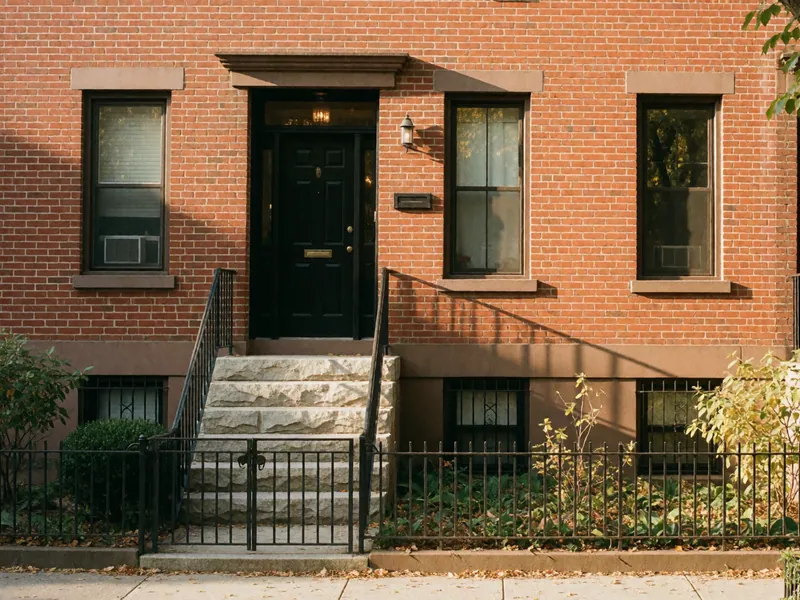
Homeowners insurance
Rebuilding cost rather than market value, the four exclusions that matter in Queens, and why your mortgage company's number is not the right one.
$1,300 – $2,900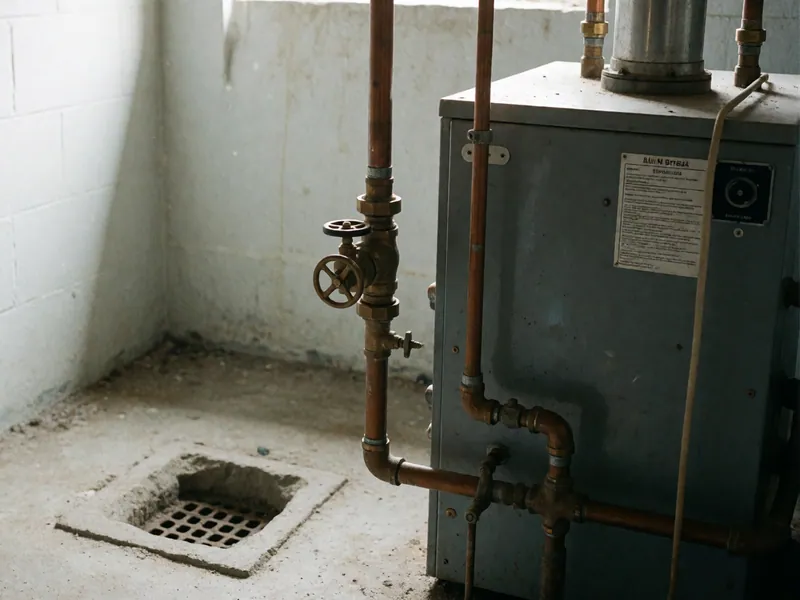
Water backup
Sewer backup and boiler failure are both excluded as standard and both restored by an endorsement that costs less than one cleanup.
$60 – $220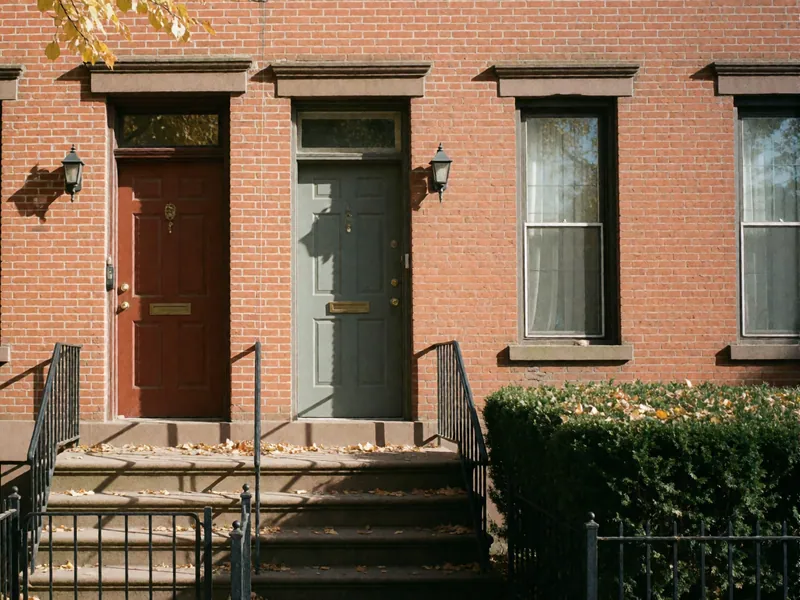
Landlord insurance
The two-family house you live in half of is a different risk to the one you rent out entirely, and the policy forms are not interchangeable.
$1,600 – $3,600
Commercial property
Building, stock, tenant improvements and the income you lose while the place is shut — which is the part most policies are short on.
$1,200 – $5,400Bring the declarations page and we will read it with you
Ask us what it would cost
Send or bring the summary pages of what you already have — those two sheets are where most of the useful conversation is. We will tell you what we would place it with and what that would cost, what we are paid for doing it, and whether you should move at all. Quite often the answer is that your current policy is priced fairly and you should keep it, and that is an answer we give in writing like any other.