Home & property insurance
Jewellery, art and scheduled valuables
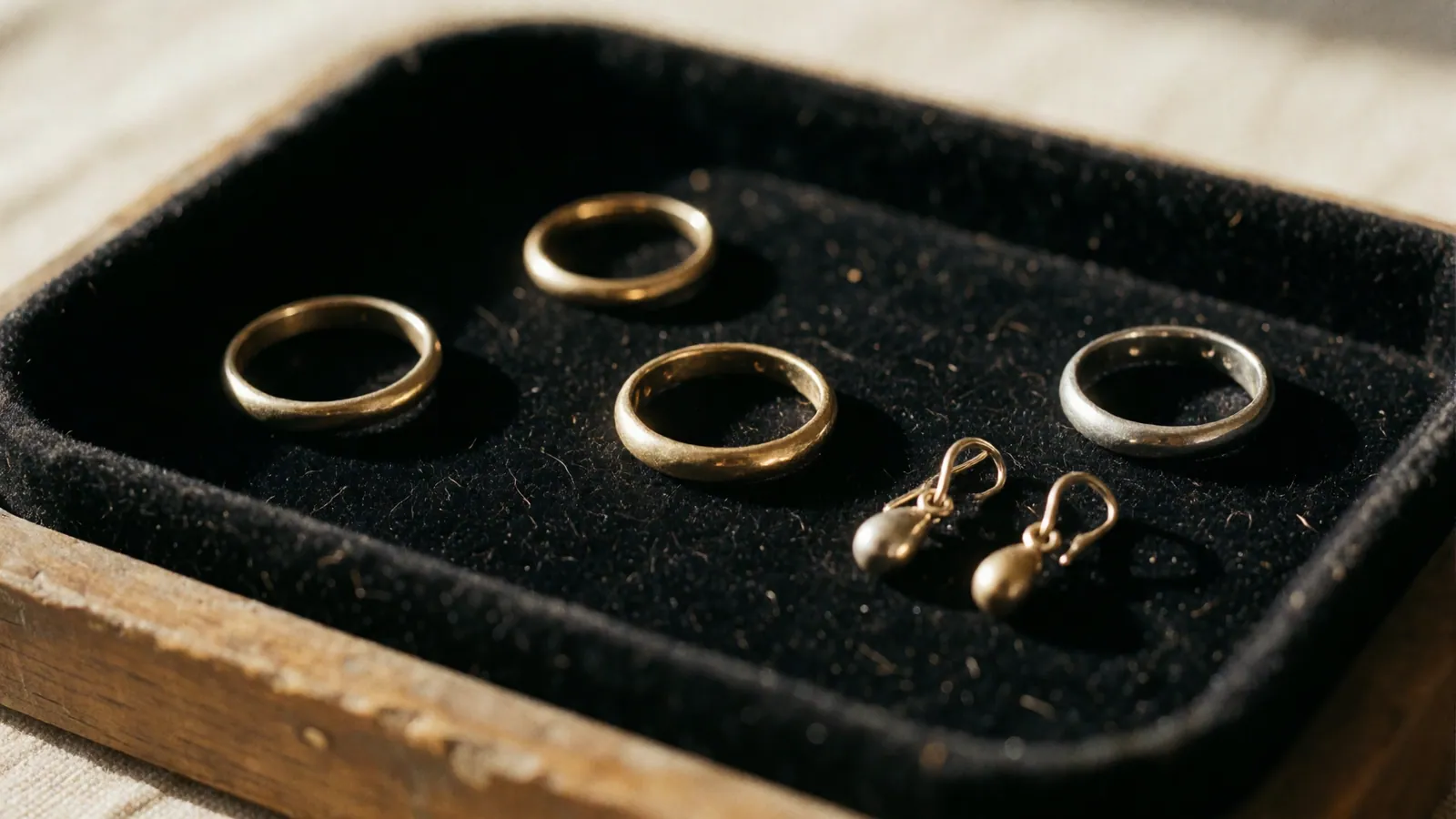
Your homeowners policy caps jewellery theft at a figure most engagement rings pass on the day they are bought. Almost nobody knows this until the ring is gone, and the fix costs a few dollars a month.
An unendorsed homeowners or renters policy carries a special sub-limit on jewellery, watches and furs lost to theft — commonly somewhere between $1,500 and $2,500 in total, regardless of how much contents cover you bought. That is a cap on the whole category, not per item.
Scheduling — listing an item specifically at an agreed value — removes it from that cap and generally broadens the cover substantially at the same time. It is one of the few places in insurance where paying slightly more buys you meaningfully better cover rather than simply more of the same.
What scheduling actually changes
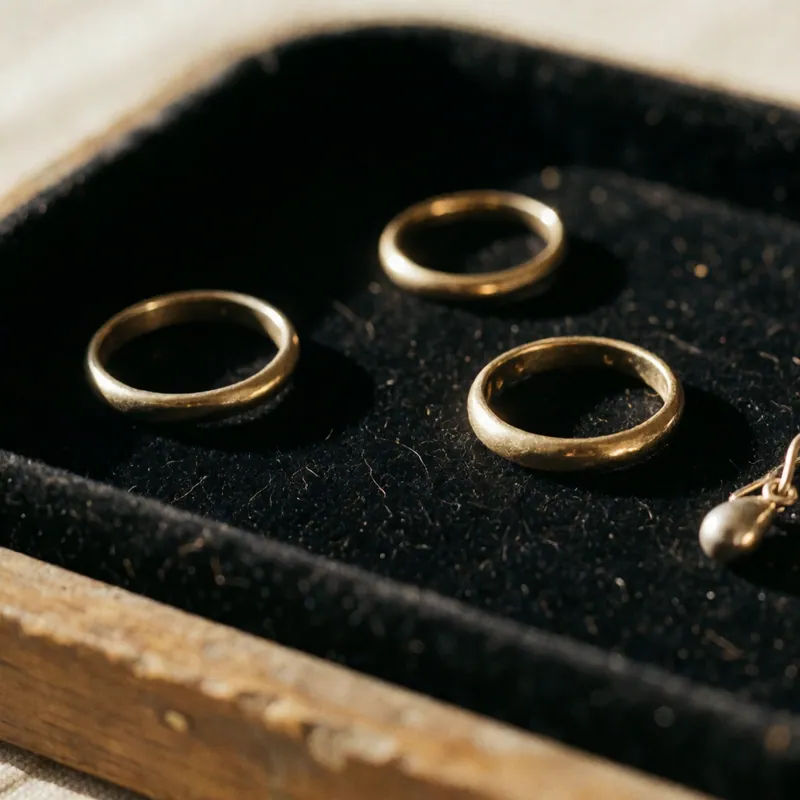
The limit becomes the agreed value you and the carrier set, and it is paid without argument about depreciation. The deductible usually disappears entirely for that item. And the perils widen from the named ones to what the trade calls all-risk — including the one that matters most, which is simply losing it.
That last point is the one to understand. An unscheduled ring is covered for theft, up to the sub-limit. A ring that slid off in the sea, or fell out of a setting on the subway, is not stolen and is generally not covered at all. Mysterious disappearance is precisely what scheduling buys, and it is how most valuable jewellery is actually lost.
What it costs, and what the carrier needs
Jewellery in this area typically runs one to two per cent of the scheduled value a year — so a $12,000 ring costs somewhere around $120 to $240. Fine art, silver and musical instruments generally rate lower, sometimes well under one per cent, because they are less often stolen and less often lost.
Carriers want a recent appraisal for jewellery above a threshold — commonly $5,000, sometimes lower — and a bill of sale is often enough beneath it. Appraisals age: a valuation from 2014 does not describe today's replacement cost of a diamond, and an underinsured scheduled item is scheduled at the wrong number. We ask for a refresh every few years rather than letting it drift.
What people forget to schedule
Engagement and wedding rings, obviously, and they are the most common claim. Then: inherited jewellery that was never valued, watches, camera equipment, musical instruments — a professional instrument is frequently the second most valuable thing a household owns — bicycles above a thousand dollars, and collections of almost any kind.
Fine art is its own conversation. Standard contents cover treats a painting as furniture; a scheduled fine art floater covers it as art, including damage in transit and while on loan, and often at a lower rate than jewellery. In Forest Hills and Long Island City this comes up more than people expect.
The honest limits of it
Scheduling does not cover wear and tear, gradual deterioration, or damage from a repair somebody else botched. It does not cover an item you cannot document — which is the practical argument for photographing your valuables now and keeping the photographs somewhere that is not your house.
And it does not make sense for everything. Scheduling a $900 watch at two per cent to avoid a $1,000 deductible is not a good trade. We will tell you where the line falls for your household rather than scheduling everything you own, which would be more commission and worse advice.
Ask about limits, not about “full coverage”. Full coverage is a phrase, not a product, and no policy on earth is sold under that name. It usually means liability plus comprehensive plus collision, which is three of the seven things a New York motor policy can carry, and it says nothing whatever about your limits. A minimum-limits policy with comprehensive and collision on it satisfies that phrase completely and will not survive a serious injury claim. We quote limits and deductibles by their numbers, and we would rather have the conversation about what 25/50/10 actually pays for than let a slogan stand in for it.
Included as standard
How we handle this line
The sub-limit on your current policy checked
We read your declarations page and tell you what your jewellery is actually capped at today, whether or not you buy anything.
Agreed value set properly
So the payout is a number you agreed in advance rather than one argued about afterwards.
Mysterious disappearance included
The way valuable jewellery is usually lost, and the peril an unscheduled policy does not cover at all.
Appraisals kept current
A ten-year-old valuation underinsures the item. We prompt for a refresh rather than letting the schedule drift.
Fine art and instruments rated separately
Frequently well below the jewellery rate, and with cover for transit and loan that contents cover does not give.
Told when not to bother
Where the value is close to your deductible, scheduling is not worth it, and we will say so.
When to ring us
Signs this is worth a conversation
- You have an engagement ring and have never scheduled it.
- You inherited jewellery that has never been valued.
- Your appraisals are more than five years old.
- You own a professional-grade instrument or camera kit.
- You have a bicycle worth more than your deductible.
- You own art you would be upset to lose and have never mentioned it to an insurer.
Valuables — what it typically costs
- Annual premium as a share of the scheduled amount, for jewellery in this area. Fine art and instruments generally rate lower.1% – 2% of value
This is a typical premium range for this area. It is not a quote, and it is not our price. We do not set premiums: a carrier files its rates with the Department of Financial Services and our commission is already inside the filed rate, so the same policy from the same carrier costs the same through any producer in New York. What genuinely moves your own number is which carrier writes it, the limits and deductibles you choose, and the facts on your record — which is what we would go through with you before anything is quoted.
Questions we are actually asked
Valuables — frequently asked
How much jewellery does my home insurance cover?
For theft, usually only $1,500 to $2,500 for the whole category, regardless of your contents limit. That is a sub-limit on jewellery, watches and furs collectively, not per item, and most engagement rings exceed it on the day they are bought.
What does it cost to schedule a ring?
Typically one to two per cent of the value a year in this area — so around $120 to $240 for a $12,000 ring. In exchange the sub-limit is removed, the deductible usually disappears for that item, and cover widens to include simply losing it.
Do I need an appraisal?
For jewellery above roughly $5,000, yes, and it should be recent. Below that a bill of sale is often enough. Values move, so an appraisal from a decade ago will schedule the item at the wrong number — we prompt for updates rather than leaving it.
Is my wedding ring covered if I simply lose it?
Unscheduled, almost certainly not — an unscheduled policy covers theft, and losing something is not theft. Scheduled, yes: mysterious disappearance is included, and it is the main reason to schedule a ring at all.
Related cover
Usually considered alongside this

Renters insurance
The cheapest genuinely useful policy sold in New York, and the one whose liability half almost nobody realises they are buying.
$180 – $420
Homeowners insurance
Rebuilding cost rather than market value, the four exclusions that matter in Queens, and why your mortgage company's number is not the right one.
$1,300 – $2,900
Condo & co-op
Where the building's policy stops and yours starts — a line drawn in your offering plan or bylaws, not in the insurance policy.
$300 – $850
Policy review
An hour with your actual declarations pages, looking for the three gaps that open quietly between renewals.
No chargeBring the declarations page and we will read it with you
Ask us what it would cost
Send or bring the summary pages of what you already have — those two sheets are where most of the useful conversation is. We will tell you what we would place it with and what that would cost, what we are paid for doing it, and whether you should move at all. Quite often the answer is that your current policy is priced fairly and you should keep it, and that is an answer we give in writing like any other.