Business insurance
Restaurant, bodega and food business insurance
Four things go wrong in food businesses more than anywhere else, and a general packaged policy handles one of them well and the other three badly or not at all.
Roosevelt Avenue and Queens Boulevard carry one of the densest concentrations of independent food businesses in the city, and the insurance they are usually sold is a generic retail package. It covers the fire and the customer who slips. It tends to be thin on the four things that actually close a food business.
Those four are spoilage when the refrigeration fails, the kitchen fire that starts at the fryer or in the hood, the delivery vehicle nobody insured properly, and liquor liability — which is excluded from most general liability policies and is a specific New York exposure because of the Dram Shop Act.
Spoilage and equipment breakdown
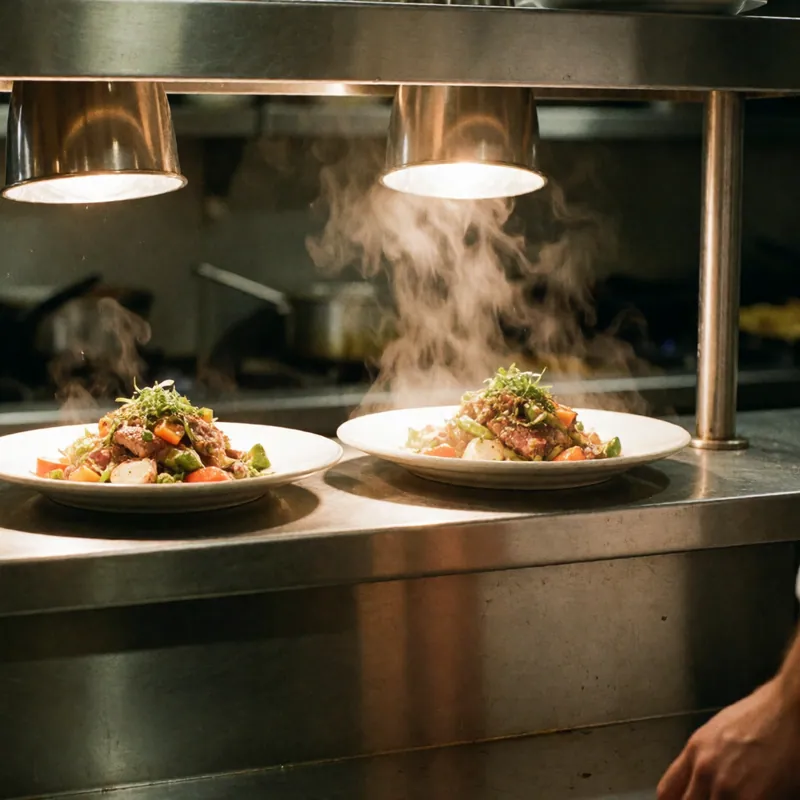
A compressor failing overnight empties a walk-in, and the standard property policy does not cover it — mechanical breakdown is excluded, and spoilage from that breakdown with it. Equipment breakdown cover with a spoilage extension is the fix, and for a business whose stock lives at four degrees it is not a refinement.
Ask about utility interruption too. A power cut at the substation that empties your fridges is not damage to your property at all, and only a utility services extension responds to it. Both are inexpensive; neither is standard.
Fire, the hood and the protection warranty
Cooking fires are the defining property loss in this trade, and carriers manage the risk through warranties rather than through price alone. Expect requirements: an automatic fire suppression system over the cooking line, serviced at stated intervals with documentation, and hood and duct cleaning on a schedule by a qualified contractor.
These are conditions of the policy, not suggestions. A fire loss where the suppression system was last serviced three years ago is a claim the carrier can decline, and it declines a lot of them. Keep the service records; we will remind you when they are due, because it is the cheapest thing we can do to protect a claim.
Liquor liability and the Dram Shop Act
New York's Dram Shop Act allows a person injured by an intoxicated individual to sue the establishment that served them. General liability policies almost universally exclude liquor liability for businesses that sell alcohol, so if you have a licence you need a separate liquor liability policy or endorsement.
This applies to a restaurant with a beer and wine licence exactly as it does to a bar, and it applies to a bodega selling beer. The premium is driven by your alcohol receipts as a share of total sales. Businesses that assume their general liability includes it are the ones that discover otherwise in a lawsuit.
Delivery, and the moped nobody insured
Delivery has become central to how these businesses work, and it is a serious liability exposure that is regularly uninsured. If your employees deliver on mopeds or e-bikes you own, that is a commercial exposure. If they use their own, you need hired and non-owned auto liability, because your business can be sued for what they do on your errand.
Third-party delivery platforms complicate rather than solve this — their cover typically protects them, and the arrangement varies by platform and by whether the rider is theirs or yours. Tell us exactly how delivery works in your business and we will tell you which policy responds. It is one of the most common gaps on this strip.
A certificate reports cover; it does not create any. A certificate of insurance is evidence, not cover. It is a snapshot of what was in force on the day it printed, it confers no rights on the person holding it, and it does not amend the policy. If your contract needs somebody named as an additional insured, or needs a waiver of subrogation, that comes from an endorsement on the policy — which costs something, has to be requested, and is the only thing that actually changes what is covered. We will not issue a certificate describing cover that has not been endorsed, however urgently the general contractor wants it.
Included as standard
How we handle this line
Equipment breakdown with spoilage
For the compressor that fails overnight, plus utility interruption for the power cut that is not your equipment's fault at all.
Fire protection warranties explained
What the carrier requires, how often, and what documentation you must keep — before a claim rather than during one.
Liquor liability quoted separately
Because general liability excludes it and the Dram Shop Act makes it a real New York exposure, including for a bodega selling beer.
Delivery mapped properly
Owned mopeds, employees' own vehicles, platform riders — three different answers, and we establish which one you actually have.
Tenant improvements scheduled
A restaurant fit-out is usually the largest number on the policy and is routinely left off it entirely.
Business income for a real rebuild
Twelve months with extended indemnity, because a kitchen fire in a pre-war building is not a three-month repair.
When to ring us
Signs this is worth a conversation
- You have a walk-in and no equipment breakdown or spoilage cover.
- Your hood suppression service records are not current.
- You sell alcohol and have no separate liquor liability policy.
- Your staff deliver on mopeds, e-bikes or their own cars.
- You spent heavily on a fit-out that is not on your property schedule.
- Your business income limit assumes you would reopen in three months.
Food businesses — what it typically costs
- Typical annual premium for a small Queens restaurant or grocery, before liquor liability is added.$2,200 – $7,800
This is a typical premium range for this area. It is not a quote, and it is not our price. We do not set premiums: a carrier files its rates with the Department of Financial Services and our commission is already inside the filed rate, so the same policy from the same carrier costs the same through any producer in New York. What genuinely moves your own number is which carrier writes it, the limits and deductibles you choose, and the facts on your record — which is what we would go through with you before anything is quoted.
Questions we are actually asked
Food businesses — frequently asked
Does general liability cover liquor liability?
Almost never for a business that sells alcohol — it is a standard exclusion. New York's Dram Shop Act allows an injured person to sue the establishment that served an intoxicated individual, so if you hold any alcohol licence, including a bodega selling beer, you need separate liquor liability cover.
Is food spoilage covered if my refrigeration fails?
Not by a standard property policy, because mechanical breakdown is excluded. Equipment breakdown cover with a spoilage extension covers it, and a utility services extension covers spoilage from a power cut that never touched your equipment. Both are inexpensive and neither is standard.
What does the carrier require for my kitchen?
Typically an automatic suppression system over the cooking line serviced at stated intervals, and hood and duct cleaning on a schedule by a qualified contractor, both with documentation. These are policy warranties rather than advice, and a fire claim with lapsed service records is one a carrier can decline.
How much is restaurant insurance in Queens?
Typically $2,200 to $7,800 a year for a small restaurant or grocery before liquor liability, driven by receipts, square footage, cooking exposure and the value of your fit-out. Liquor liability is priced separately off your alcohol sales.
Related cover
Usually considered alongside this
Business insurance
The businessowners policy that covers most small Queens businesses properly, and the four risks it is famous for leaving out.
$800 – $2,800
Commercial property
Building, stock, tenant improvements and the income you lose while the place is shut — which is the part most policies are short on.
$1,200 – $5,400
Workers comp
Compulsory in New York from the first employee, with almost no exceptions and a penalty regime that does not care whether you knew.
$0.30 – $18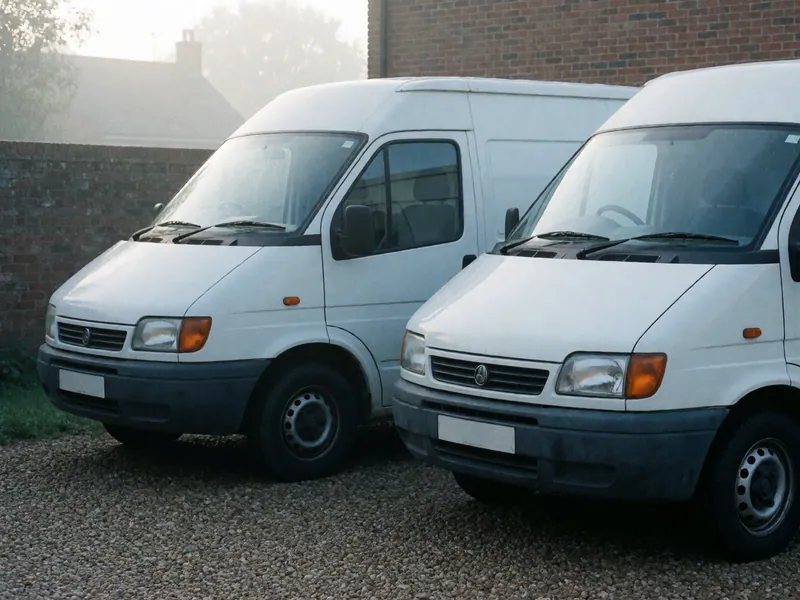
Commercial auto
The moment a vehicle earns money it stops being a personal auto — and a personal policy will decline the claim on exactly that ground.
$3,200 – $8,400Bring the declarations page and we will read it with you
Ask us what it would cost
Send or bring the summary pages of what you already have — those two sheets are where most of the useful conversation is. We will tell you what we would place it with and what that would cost, what we are paid for doing it, and whether you should move at all. Quite often the answer is that your current policy is priced fairly and you should keep it, and that is an answer we give in writing like any other.