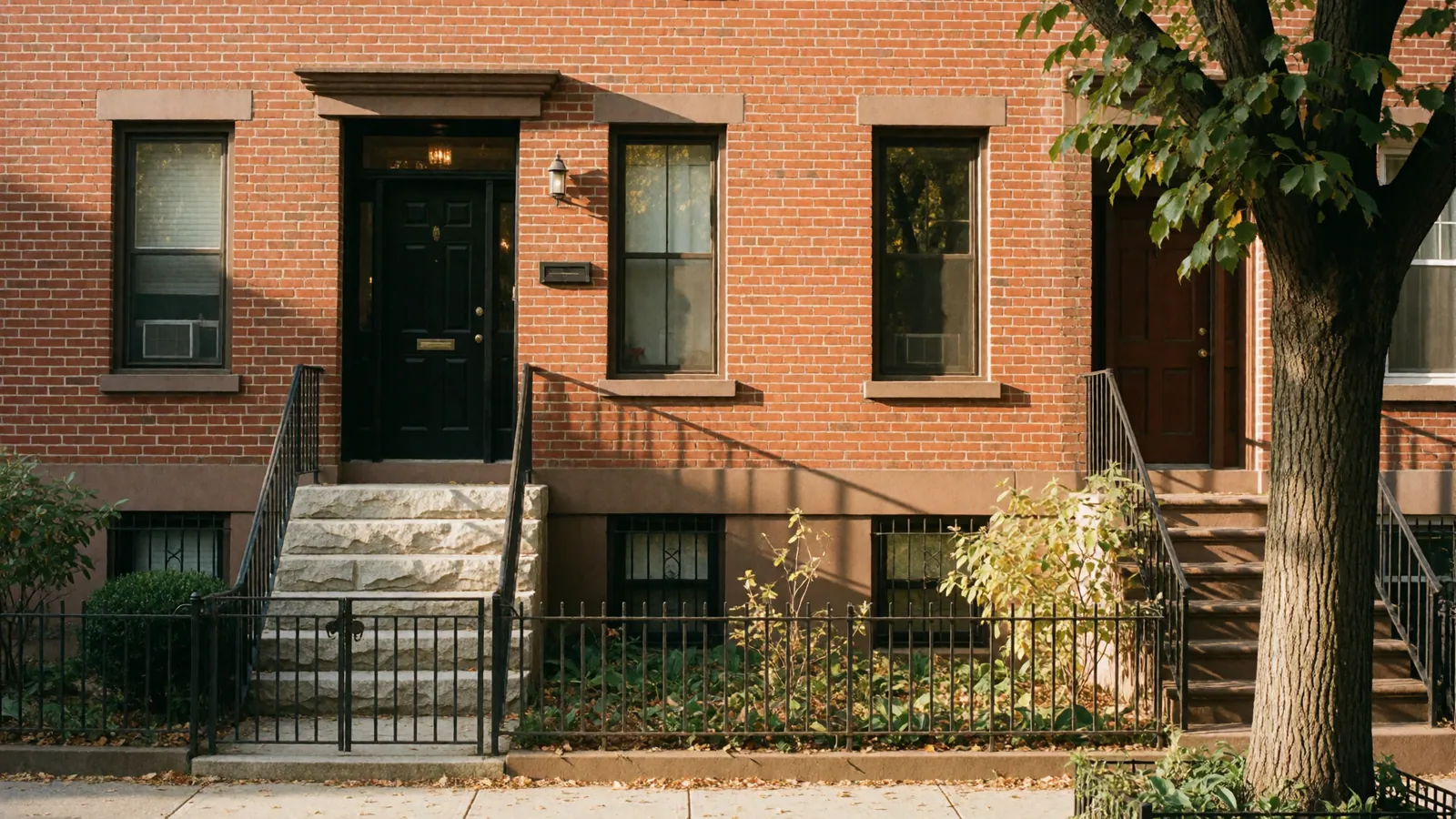
Home & property insurance
Homeowners insurance in Woodside, NY
Almost every underinsured house we see in this neighbourhood is underinsured for the same reason: somebody insured it for what it is worth instead of what it would cost to build again. Those are different numbers, and in Queens they are very different numbers.
A homeowners policy is really four policies stapled together: the structure, your belongings, your liability to other people, and somewhere to live while the house is being repaired. Most attention goes to the first, most claims involve the second, and the one that could actually bankrupt you is the third.
The number at the top of the declarations page — Coverage A — should be what it would cost a builder to put this house back up on this lot, at today's labour and materials prices, to today's building code. Not what you paid, not what Zillow says, and emphatically not your mortgage balance.
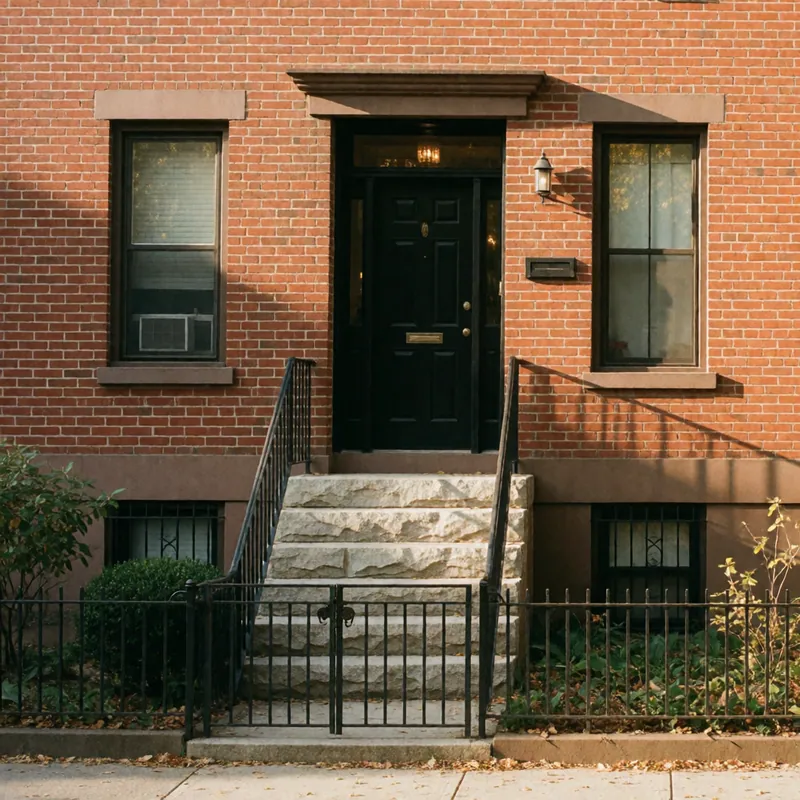
Market value is the wrong number, in both directions
A house in Woodside carries a large amount of land value, and land does not burn. Insuring to market value therefore overinsures the part that cannot be lost while telling you nothing about the part that can. In some cases that means paying for cover you can never collect.
More often it runs the other way. Construction costs in New York City have moved sharply, and a Coverage A figure set six or eight years ago and inflated by a standard index will not rebuild the house today. That gap surfaces at the worst possible moment, and it is compounded by coinsurance: on most forms, if you are insured to less than a set share of the true rebuilding cost, even a small partial claim is reduced proportionally.
Then there is ordinance and law. A house built in 1928 is not legal to rebuild in 1928's form; the current code requires things it does not have. Ordinance or law cover pays for the difference, it is usually a small endorsement, and on a Queens housing stock this old it is not optional in any practical sense.
The four exclusions that matter in this neighbourhood
Flood. Excluded from every standard homeowners form, whether or not you are in a mapped zone, and available only from the National Flood Insurance Program or a private flood insurer. It has its own page on this site because it has its own waiting period.
Sewer and drain backup. Also excluded as standard, and restored by an endorsement that typically costs between $60 and $220 a year. In an area with this much finished basement and this much century-old cast iron waste plumbing, it is one of the highest-value endorsements available.
Earth movement, which covers everything from earthquake to the settlement that shows up as a crack in a party wall. And wear, tear and deterioration — a policy insures sudden accidental events, not the roof reaching the end of its life. That last one is not a loophole; it is the difference between insurance and a maintenance contract, and an agency that blurs it is setting you up for a denial.
Liability is the part that can actually ruin you
A fire costs you a house. A liability claim can cost you everything you will earn for a decade. Someone falls on your stoop; a tree on your lot comes down on the neighbour's extension; your dog bites a delivery driver. Standard limits are often $100,000 or $300,000, and neither is a large number set against a serious injury in New York.
Raising homeowners liability to $500,000 costs very little. Adding a personal umbrella on top — a million dollars sitting above the home and motor policies for roughly $250 to $600 a year — is the single best-value product this agency sells, and it is the one people are offered least.
The Queens specifics we always check
Two-family and owner-occupied conversions. If you live in one half and let the other, you are a homeowner and a landlord at once, and the wrong form covers only one of those. This is the most common structural error we find on policies people bring in from elsewhere.
Roof, boiler and electrical service age. Carriers in this market are strict about all three, and an old service or a roof past twenty years increasingly draws a conditional renewal rather than a cancellation. Under Insurance Law 3425 that notice has to arrive 45 to 60 days ahead with a specific reason, and it is far more negotiable than most people assume.
Extensions nobody told the carrier about. A house that has grown by four hundred square feet since the policy was written is insured as the smaller house. That is a five-minute correction now and an expensive argument later.
A nonrenewal needs 45 to 60 days and a specific reason. New York gives a personal-lines insurer a sixty-day window at the start of a new policy to underwrite it and cancel for almost any reason. After that, Insurance Law 3425 protects you: a nonrenewal, or a renewal conditioned on reduced cover or higher limits, needs between forty-five and sixty days' written notice and has to state the specific reason. A notice that arrives late, or that gives no reason, is not effective, and that is worth knowing before you accept one.
Included as standard
How we handle this line
A real rebuilding cost
Estimated to current New York City construction prices and code, not indexed forward from a figure somebody set years ago.
Ordinance and law quoted
Because a pre-war house cannot legally be rebuilt as it stands, and the gap is the carrier's to pay only if you bought it.
Water backup priced every time
Quoted whether or not you asked. In this housing stock it is one of the highest-value endorsements on the page.
Liability raised before anything else
$500,000 on the homeowners policy and an umbrella above it, because it costs little and is the exposure that actually ruins households.
The two-family question asked
Owner-occupied with a tenant is a different form from wholly owner-occupied. We establish which you are before quoting.
Renewal notices read properly
A conditional renewal for roof or boiler age is negotiable and time-limited. We tell you what the notice actually obliges the carrier to do.
When to ring us
Signs this is worth a conversation
- Your Coverage A figure has only ever moved by an inflation index.
- You have extended, converted or finished a basement and not told the carrier.
- You live in one unit of a two-family and let the other on a homeowners policy.
- You have $100,000 or $300,000 of liability and own a house in Queens.
- You have a finished basement and no water backup endorsement.
- A conditional renewal notice has arrived about the roof or the boiler.
Homeowners insurance — what it typically costs
- Typical annual premium for a one- or two-family house in 11377 at a replacement cost that reflects current building prices.$1,300 – $2,900
This is a typical premium range for this area. It is not a quote, and it is not our price. We do not set premiums: a carrier files its rates with the Department of Financial Services and our commission is already inside the filed rate, so the same policy from the same carrier costs the same through any producer in New York. What genuinely moves your own number is which carrier writes it, the limits and deductibles you choose, and the facts on your record — which is what we would go through with you before anything is quoted.
Questions we are actually asked
Homeowners insurance — frequently asked
How much is homeowners insurance in Woodside, NY?
Typically $1,300 to $2,900 a year for a one- or two-family house insured to a realistic rebuilding cost. It moves with construction cost, roof and boiler age, claims history, distance to a hydrant and the deductible you choose. It is not affected by which agency places it, because the commission is inside the carrier's filed rate either way.
Should I insure my house for what I paid for it?
No. Insure it for what it would cost to rebuild on the same lot at today's prices and to today's code. In Woodside a large share of the purchase price is land, and land cannot burn. Using the purchase price or the market value gives you a number that is wrong in one direction or the other, and coinsurance means being under can reduce even a small partial claim.
Does homeowners insurance cover flood?
No, never, and that is true of every standard form in the country regardless of your flood zone. Flood cover comes separately from the NFIP or a private flood insurer, and the NFIP's standard waiting period is thirty days — which is why it cannot be bought when a storm is forecast.
Will a claim put my premium up?
Usually, and for several years. It is worth doing the arithmetic before reporting a small loss: a $2,400 claim on a $1,000 deductible nets you $1,400, and if it raises your premium and costs you a claims-free credit for five years it can easily cost more than it pays. We will do that sum with you honestly, including when the answer is to claim.
Related cover
Usually considered alongside this
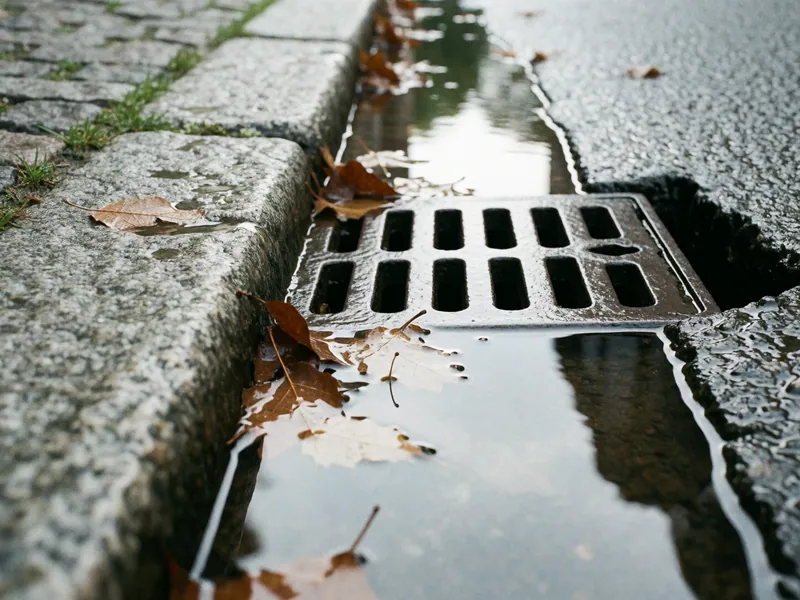
Flood insurance
Excluded from every homeowners policy ever written, mapped across a good deal of Queens, and subject to a thirty-day wait that makes late buying useless.
$700 – $2,600
Umbrella insurance
A million dollars of liability sitting above the policies you already have, for roughly the price of a month of car insurance.
$250 – $600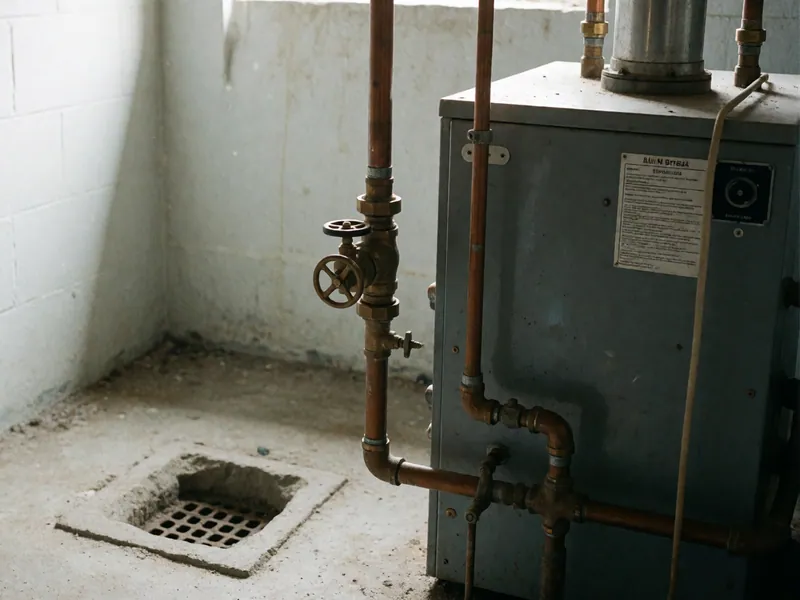
Water backup
Sewer backup and boiler failure are both excluded as standard and both restored by an endorsement that costs less than one cleanup.
$60 – $220
Landlord insurance
The two-family house you live in half of is a different risk to the one you rent out entirely, and the policy forms are not interchangeable.
$1,600 – $3,600Bring the declarations page and we will read it with you
Ask us what it would cost
Send or bring the summary pages of what you already have — those two sheets are where most of the useful conversation is. We will tell you what we would place it with and what that would cost, what we are paid for doing it, and whether you should move at all. Quite often the answer is that your current policy is priced fairly and you should keep it, and that is an answer we give in writing like any other.