
Car & vehicle insurance
Motorcycle and scooter insurance
A different policy with a different rulebook. The part that surprises almost everybody is that New York's no-fault system, which pays your medical bills after a car accident regardless of fault, does not apply to you on a motorcycle.
Motorcycle liability limits work the same way as a car's — 25/50/10 at the minimum, and just as inadequate. Uninsured motorist applies. Comprehensive and collision are available and are priced against a machine that is easier to steal and easier to damage than a car.
Then the difference that matters. New York's compulsory no-fault statute excludes motorcycle operators and their passengers from mandatory personal injury protection. On a bike, in a state built around no-fault, your own medical cover after a crash is whatever you have arranged separately — and a great many riders find that out at the hospital.

The no-fault exclusion, in plain terms
If you are hurt in a car in New York, your own policy pays your medical bills quickly and without arguing about fault. If you are hurt on a motorcycle, it does not. The statute excludes motorcyclists from mandatory PIP, and the standard motorcycle policy in this state does not contain it.
What fills the gap: your health insurance, which becomes the primary payer and brings its own deductible and network rules; optional medical payments cover on the motorcycle policy, which is available from most carriers and is not expensive; and, if the other driver was at fault and insured, a liability claim against them, which is slow. Most riders should be buying the medical payments cover, and most are never offered it.
What moves a motorcycle premium
Engine displacement first, and steeply — the difference between a 400cc commuter and a litre sportbike is larger than any other single factor. Then rider age and licence history, the machine's theft rate, whether it is stored off the street, and your claims history.
Storage matters more in this borough than most. A bike garaged behind a locked door in Woodside is a materially different comprehensive risk from one chained to a rail on the street, and carriers price it accordingly. If you have somewhere secure, say so; it is one of the few places a rider can move their own number.
Lay-up, and how not to do it wrong
A lot of riders in New York put the bike away from December to March, and want to stop paying for it. Some carriers offer a lay-up endorsement that suspends the liability and collision portions while keeping comprehensive in force, so the machine is still covered against theft and fire in the garage. That is the right way to do it.
The wrong way is cancelling the policy on a registered motorcycle, which is a lapse and brings the same DMV penalty as it would on a car. If the bike is registered, keep cover on it or surrender the plates. Ring us in November and we will set it up properly rather than expensively.
Passengers, gear and modifications
Carrying a passenger changes your liability exposure and is worth checking against your limits rather than assuming. Riding gear is generally not covered by the motorcycle policy at all — a helmet and leathers destroyed in a crash are usually a homeowners or renters contents question, which is one of the more useful things renters cover quietly does.
Modifications and accessories above the standard machine need to be declared and are typically covered only up to a stated amount unless they are scheduled. An unlisted exhaust, luggage system or paint job is a conversation you want to have when the policy is written rather than when the bike is gone.
Ask about limits, not about “full coverage”. Full coverage is a phrase, not a product, and no policy on earth is sold under that name. It usually means liability plus comprehensive plus collision, which is three of the seven things a New York motor policy can carry, and it says nothing whatever about your limits. A minimum-limits policy with comprehensive and collision on it satisfies that phrase completely and will not survive a serious injury claim. We quote limits and deductibles by their numbers, and we would rather have the conversation about what 25/50/10 actually pays for than let a slogan stand in for it.
Included as standard
How we handle this line
Medical payments quoted every time
Because PIP does not follow you onto a motorcycle in New York, and this is the cover that fills the hole.
Storage asked about properly
Locked garage against street parking is a real rating factor, and it is one of the few a rider actually controls.
Lay-up set up, not cancelled
Comprehensive kept in force over winter while the road cover suspends — so the bike is insured in the garage and the plates stay legal.
Accessories scheduled
Exhausts, luggage, screens and paint listed at agreed values rather than left to a small standard sub-limit.
Gear explained honestly
Helmets and leathers usually sit on your home or renters policy rather than the bike's. We will tell you which of yours would pay.
Limits matched to what you own
Minimum limits on a machine that can seriously injure somebody is the same bad bet as on a car, and we will say so.
When to ring us
Signs this is worth a conversation
- You have just bought your first bike and assumed your no-fault comes with you.
- You are about to put the machine away for winter and were going to cancel the policy.
- You ride with a passenger regularly and are carrying minimum liability limits.
- You have several thousand dollars of accessories that were never listed anywhere.
- Your bike lives on the street and nobody has asked you where it is kept.
Motorcycle insurance — what it typically costs
- Typical annual premium, moving sharply with engine size, rider age and whether the machine is stored off the street in winter.$600 – $2,800
This is a typical premium range for this area. It is not a quote, and it is not our price. We do not set premiums: a carrier files its rates with the Department of Financial Services and our commission is already inside the filed rate, so the same policy from the same carrier costs the same through any producer in New York. What genuinely moves your own number is which carrier writes it, the limits and deductibles you choose, and the facts on your record — which is what we would go through with you before anything is quoted.
Questions we are actually asked
Motorcycle insurance — frequently asked
Does no-fault cover me on a motorcycle in New York?
No. New York's compulsory no-fault statute excludes motorcycle operators and passengers from mandatory personal injury protection. Your medical bills after a crash fall to your health insurance, to optional medical payments cover if you bought it, or to a liability claim against an at-fault driver. This is the single most important thing to know before you ride here.
How much is motorcycle insurance in Queens?
Typically $600 to $2,800 a year, moving mostly with engine size, rider age and where the machine is stored. A small commuter scooter kept in a garage and a large sportbike parked on the street are at opposite ends of that, and the gap between them is bigger than anything an agency can negotiate.
Can I suspend my policy over the winter?
Usually yes, through a lay-up endorsement that suspends road cover while keeping comprehensive in force for theft and fire. What you must not do is cancel cover on a bike that is still registered — that is a lapse and the DMV penalty applies exactly as it would for a car.
Is my riding gear covered?
Rarely by the motorcycle policy. Helmets, leathers and boots are normally personal property and fall under a homeowners or renters policy, subject to its deductible. It is worth checking which of your policies would actually pay before you need to know.
Related cover
Usually considered alongside this
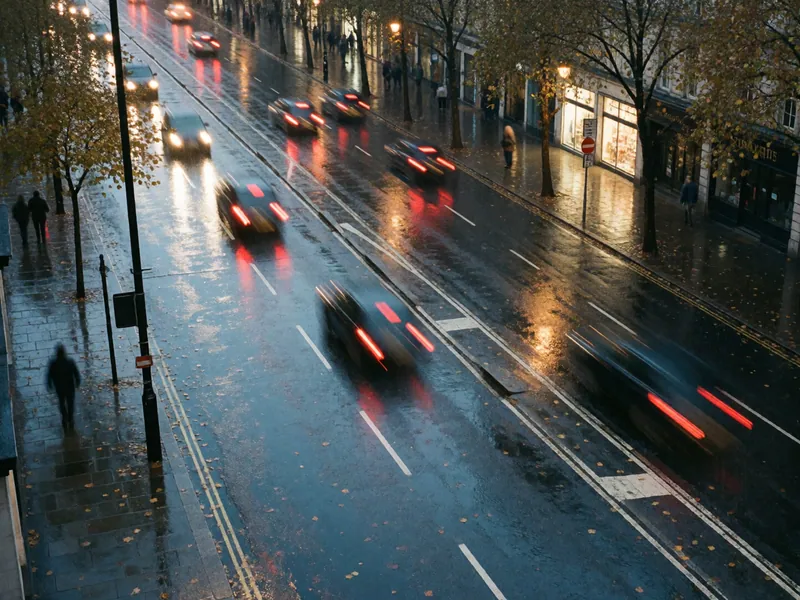
No-fault & PIP
New York pays your medical bills through your own policy regardless of fault — and gives you thirty days to file the form that starts it.
Included
Car insurance
The whole New York motor policy explained by its seven parts — and what each one actually pays for when somebody hits you on Roosevelt Avenue.
$2,400 – $6,200
Renters insurance
The cheapest genuinely useful policy sold in New York, and the one whose liability half almost nobody realises they are buying.
$180 – $420
Uninsured motorist
The cover that pays when the driver who hit you has none, too little, or drove away. The mandatory part is smaller than most people assume.
$40 – $220Bring the declarations page and we will read it with you
Ask us what it would cost
Send or bring the summary pages of what you already have — those two sheets are where most of the useful conversation is. We will tell you what we would place it with and what that would cost, what we are paid for doing it, and whether you should move at all. Quite often the answer is that your current policy is priced fairly and you should keep it, and that is an answer we give in writing like any other.