Home & property insurance
Landlord and rental property insurance
The two-family house you live in half of is a different risk from the one you let entirely, and the policy forms are not interchangeable. Getting this wrong is the most common structural error we find on policies people bring us.
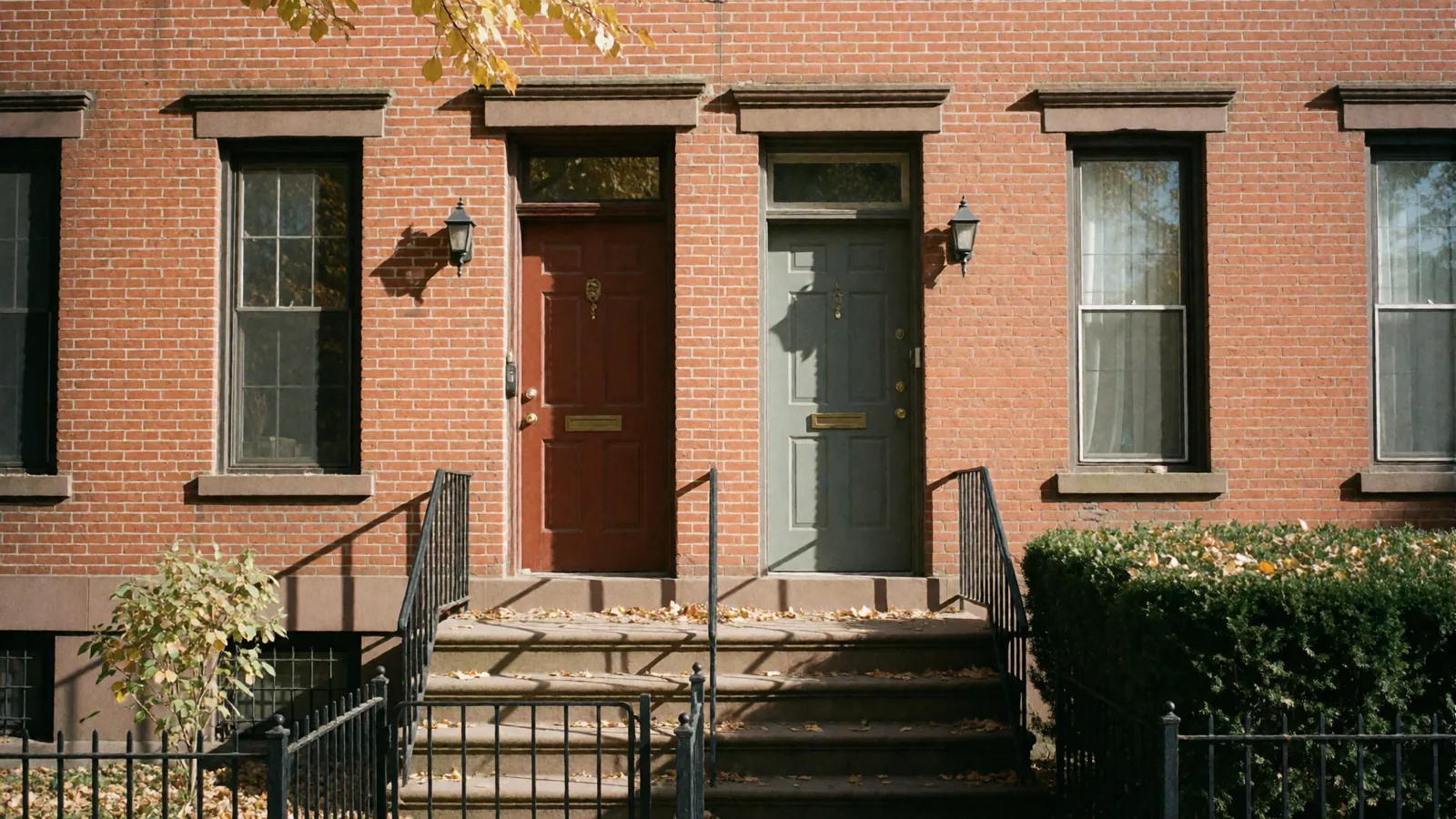
Woodside, Maspeth, Ridgewood and Corona are full of two- to four-family houses, and a great many of them are owned by people who live in one unit. That arrangement is a homeowners risk and a landlord risk at the same time, and there is a correct way to write it that a lot of policies do not use.
The pure rental — a house or units you do not occupy — is a dwelling fire policy, usually a DP-3 form. It looks like a homeowners policy with the personal parts stripped out and the business parts added: no cover for the tenant's belongings, cover for the rent you lose, and a liability section built around being a landlord rather than a resident.
Owner-occupied against fully let
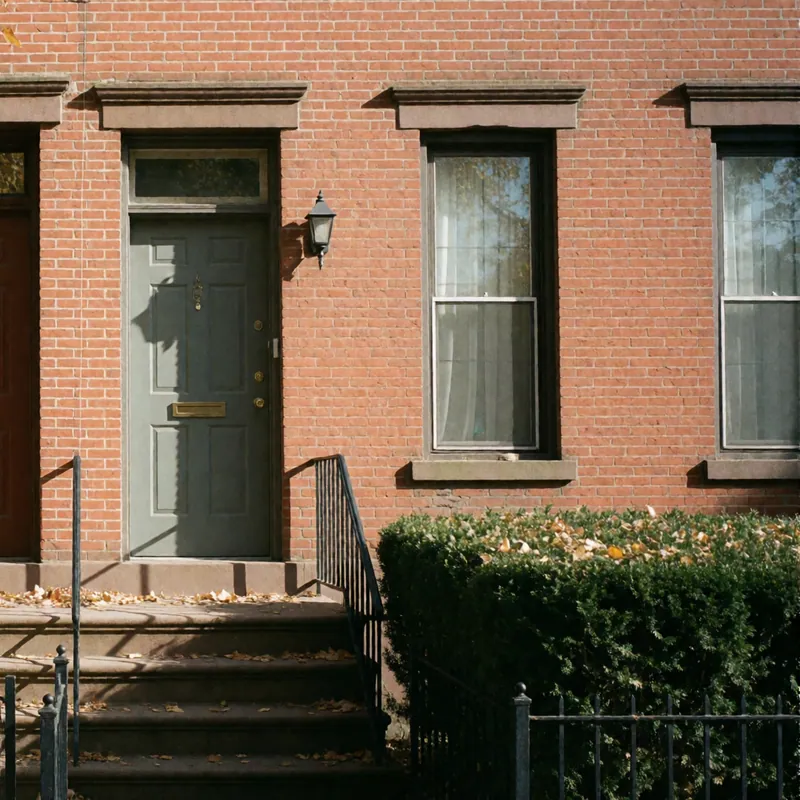
If you live in one unit of a two-family and let the other, most carriers will write it on a homeowners form with a landlord or additional-residence-rented endorsement. That gets you personal contents and personal liability for your own household plus the landlord exposure for the tenanted half. It is generally the cheaper and better answer, and it is available only while you actually live there.
If you move out and keep the house let, that policy is no longer correct and continuing it is a misrepresentation rather than an oversight. Carriers check occupancy, and a homeowners policy on a fully tenanted house is one of the easier claims for an insurer to decline. Tell us when you move; the change is routine and takes minutes.
Loss of rents, which is the point of the policy
If a fire makes the units uninhabitable, the tenants stop paying and the mortgage does not. Loss of rents — fair rental value — pays the rent you would have collected during the repair period, and for a landlord with a mortgage it is frequently the most important coverage on the policy.
The limit is usually expressed as a percentage of the dwelling limit or as a stated number of months. Twelve months is the sensible default in New York City, because permitting and construction on a hundred-year-old building do not move quickly, and the difference in premium between six months and twelve is small.
Liability, and the things that raise it
A landlord's liability exposure is larger than an owner-occupier's for the obvious reason that more people who are not you are on the property. Stairs, walkways, snow and ice, lead paint in pre-1978 housing, and the condition of the tenanted units all sit on your side of it.
Carry more than the standard limit and put an umbrella above it. Also require your tenants to carry renters insurance and to name you as an interested party — it costs them very little, it means their damage to their own belongings does not become a claim against you, and it is now a standard lease term for good reason.
What a landlord policy does not do
It does not cover the tenant's belongings, and no landlord policy ever has. It does not cover unpaid rent because a tenant stopped paying — loss of rents responds to physical damage, not to a non-paying tenant or an eviction. It does not cover ordinary wear or the damage a tenant does over time, which is what a security deposit is for.
And it does not cover flood, or sewer backup without the endorsement, both of which matter more in a let property because you may not find out for days. In a house with a tenanted basement, water backup cover is not a refinement.
A nonrenewal needs 45 to 60 days and a specific reason. New York gives a personal-lines insurer a sixty-day window at the start of a new policy to underwrite it and cancel for almost any reason. After that, Insurance Law 3425 protects you: a nonrenewal, or a renewal conditioned on reduced cover or higher limits, needs between forty-five and sixty days' written notice and has to state the specific reason. A notice that arrives late, or that gives no reason, is not effective, and that is worth knowing before you accept one.
Included as standard
How we handle this line
The occupancy established first
Owner-occupied, partly let or fully let — because it decides the form, and the wrong form is a declined claim rather than a saving.
Twelve months of loss of rents
Quoted as standard. Permitting and construction on pre-war Queens housing does not fit into six months.
Landlord liability above standard
More people who are not you are on the property. We quote higher limits and an umbrella above them.
Water backup on tenanted basements
Where nobody may notice for days, and where the finished-basement claim actually happens.
Tenant renters insurance advised
With you named as an interested party, so you are told if it lapses. It costs them little and keeps their loss off your policy.
Occupancy changes handled
Tell us when you move out or a unit goes vacant. Vacancy has its own clause and it is the one that bites hardest.
When to ring us
Signs this is worth a conversation
- You have moved out of a two-family and kept the homeowners policy on it.
- Your loss of rents limit is six months or is not stated at all.
- A unit has been vacant for more than thirty days.
- You have a tenanted basement and no water backup endorsement.
- Your tenants have no renters insurance and your lease does not require it.
- You are carrying standard liability limits on a four-family building.
Landlord insurance — what it typically costs
- Typical annual premium for a two- to four-family dwelling in this area, including loss of rents.$1,600 – $3,600
This is a typical premium range for this area. It is not a quote, and it is not our price. We do not set premiums: a carrier files its rates with the Department of Financial Services and our commission is already inside the filed rate, so the same policy from the same carrier costs the same through any producer in New York. What genuinely moves your own number is which carrier writes it, the limits and deductibles you choose, and the facts on your record — which is what we would go through with you before anything is quoted.
Questions we are actually asked
Landlord insurance — frequently asked
Do I need landlord insurance for a two-family I live in?
You need the right form rather than a separate policy. Most carriers write an owner-occupied two-family on a homeowners form with a landlord endorsement, which covers both roles. If you stop living there, it has to change to a dwelling fire policy — and continuing the homeowners form after you move out is the classic way to have a claim declined.
Does landlord insurance cover unpaid rent?
No. Loss of rents pays the rent lost while the property is uninhabitable after covered physical damage. A tenant who simply stops paying is a legal problem, not an insurance one, and no standard policy in this market covers it.
What happens if a unit is vacant?
Most policies restrict cover after a property has been vacant for a set period, commonly thirty or sixty days — vandalism, glass and water damage are often excluded first. If a unit will be empty between tenants or during a renovation, tell us: a vacancy permit endorsement is inexpensive and the exclusion is not.
How much is landlord insurance in Queens?
Typically $1,600 to $3,600 a year for a two- to four-family dwelling including loss of rents, moving with the rebuilding cost, the number of units, the roof and boiler age and your liability limits.
Related cover
Usually considered alongside this
Homeowners insurance
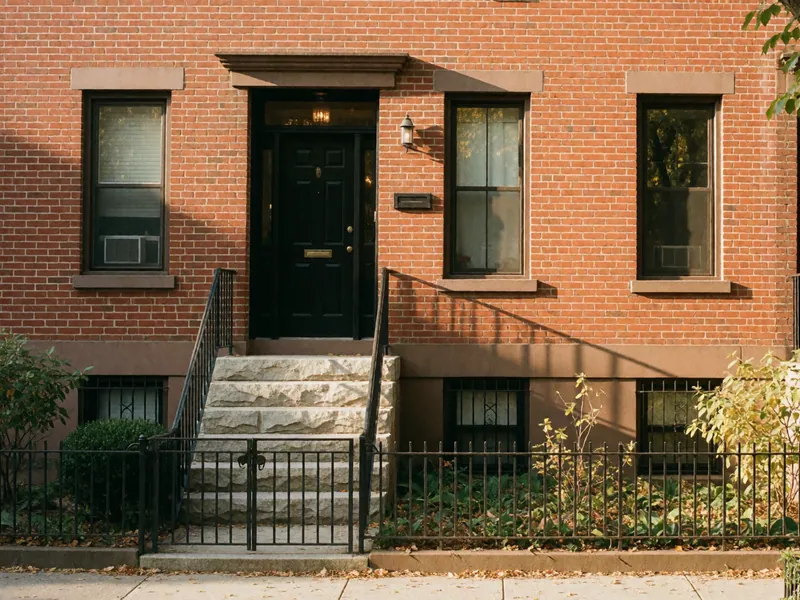
Rebuilding cost rather than market value, the four exclusions that matter in Queens, and why your mortgage company's number is not the right one.
$1,300 – $2,900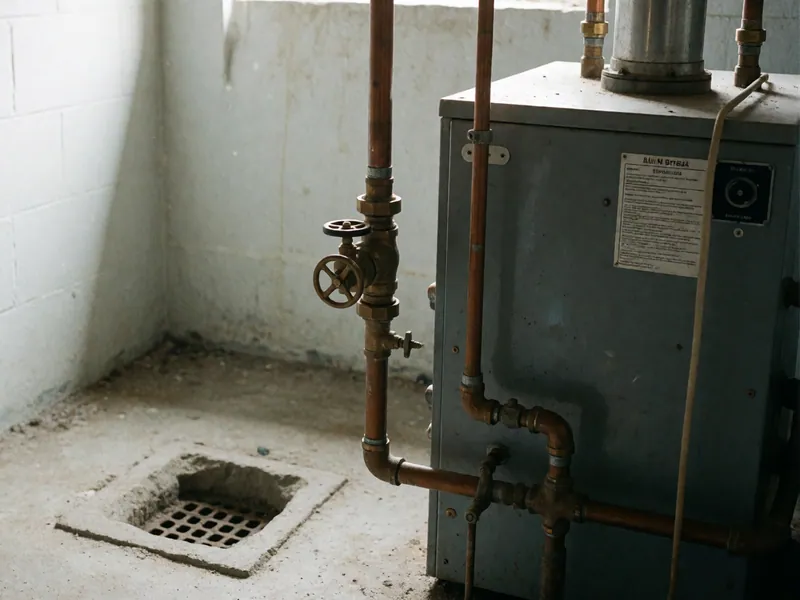
Water backup
Sewer backup and boiler failure are both excluded as standard and both restored by an endorsement that costs less than one cleanup.
$60 – $220
Umbrella insurance
A million dollars of liability sitting above the policies you already have, for roughly the price of a month of car insurance.
$250 – $600
Commercial property
Building, stock, tenant improvements and the income you lose while the place is shut — which is the part most policies are short on.
$1,200 – $5,400Bring the declarations page and we will read it with you
Ask us what it would cost
Send or bring the summary pages of what you already have — those two sheets are where most of the useful conversation is. We will tell you what we would place it with and what that would cost, what we are paid for doing it, and whether you should move at all. Quite often the answer is that your current policy is priced fairly and you should keep it, and that is an answer we give in writing like any other.