
Business insurance
General liability insurance
The policy every landlord and every general contractor asks you for, priced off your receipts and your trade rather than your luck. It is also the policy most often misunderstood on the day somebody asks you to prove you have it.
General liability covers bodily injury and property damage you cause to third parties, plus personal and advertising injury, plus the cost of defending you. It is written with a per-occurrence limit and an aggregate — the familiar $1,000,000 and $2,000,000 — meaning one claim can draw up to a million and everything in the policy year up to two.
It does not cover your own property, your own employees, the quality of your work, or professional advice. Those are commercial property, workers compensation, a warranty and professional liability respectively, and confusing any of them with general liability is how a business ends up thinking it is covered when it is not.

How it is priced
By classification and by exposure base. Retailers and offices are usually rated on gross receipts; trades and contractors on payroll, which is why the figures you report matter. Understating either produces a cheap policy and a large audit bill at the end of the year, because most commercial policies are auditable.
That audit surprises people every year. The premium you pay at inception is a deposit based on your estimate; at expiry the carrier audits the real figures and bills or refunds the difference. If your receipts double, so does the exposure, and the bill arrives whether or not you budgeted for it. We would rather set a realistic estimate at the start than hand you a shock in month thirteen.
Additional insured, and what a certificate is not
A certificate of insurance is evidence that a policy existed on the day it printed. It confers no rights on the holder and it does not change the policy. If your contract requires the landlord or the general contractor to be an additional insured, that comes from an endorsement added to your policy — usually at a cost, sometimes with a form number the contract specifies.
Read which form the contract wants. There is a real difference between ongoing operations and completed operations cover, and between the older blanket forms and the current ones. A general contractor asking for completed operations additional insured status is asking for something specific, and a certificate that simply says 'additional insured' does not deliver it.
Occurrence against claims-made
General liability is normally written on an occurrence form, which means it responds to injury or damage that happened during the policy period regardless of when the claim arrives. That is the good form and it is what you want.
Some specialised liability — professional, cyber, some pollution — is written claims-made, which responds only if the claim is made while the policy is in force. Those carry a retroactive date, and letting one lapse can strip cover for years of past work in a single stroke. If you carry any claims-made policy, that date is one of the most important numbers you own.
The exclusions worth knowing
Your own work product. If you install a boiler badly and it fails, general liability covers the water damage to the building and not the cost of redoing your boiler. That is not a gap so much as the definition of insurance, but it is the single most common surprise for a contractor.
Employees, which is workers compensation and employers liability. Professional advice. Pollution, usually. And, for many trades in New York City, height — carriers add exclusions or surcharges for work above a stated number of storeys because of Labor Law 240, and a policy quoted without disclosing the real height of your work is a policy that will not respond.
A certificate reports cover; it does not create any. A certificate of insurance is evidence, not cover. It is a snapshot of what was in force on the day it printed, it confers no rights on the person holding it, and it does not amend the policy. If your contract needs somebody named as an additional insured, or needs a waiver of subrogation, that comes from an endorsement on the policy — which costs something, has to be requested, and is the only thing that actually changes what is covered. We will not issue a certificate describing cover that has not been endorsed, however urgently the general contractor wants it.
Included as standard
How we handle this line
Realistic exposure figures set
So the year-end audit is a small adjustment rather than a bill you did not budget for.
The contract's form numbers matched
Ongoing against completed operations, and the specific additional insured form your contract names, rather than a generic one.
Occurrence form where possible
And a clear explanation of the retroactive date on anything claims-made, because that date is what protects your past work.
Height and trade disclosed accurately
Labor Law 240 changes both price and appetite. A policy quoted on an understated exposure will not respond.
Certificates within the hour
For policies placed here, and only describing endorsements that actually exist on the policy.
The audit explained upfront
What it is, when it arrives, and what records you will need — before the year starts rather than after it ends.
When to ring us
Signs this is worth a conversation
- A general contractor has sent you an insurance requirements schedule you have not read.
- Your certificate says additional insured and you never paid for an endorsement.
- Your receipts or payroll have grown substantially since the policy was written.
- You carry a claims-made policy and do not know its retroactive date.
- You work above ground level and the carrier was never told.
- You received an audit bill you were not expecting.
General liability — what it typically costs
- Typical annual premium for $1M/$2M limits for a small Queens business, rated on gross receipts or payroll.$600 – $2,400
This is a typical premium range for this area. It is not a quote, and it is not our price. We do not set premiums: a carrier files its rates with the Department of Financial Services and our commission is already inside the filed rate, so the same policy from the same carrier costs the same through any producer in New York. What genuinely moves your own number is which carrier writes it, the limits and deductibles you choose, and the facts on your record — which is what we would go through with you before anything is quoted.
Questions we are actually asked
General liability — frequently asked
How much is general liability insurance in Queens?
Typically $600 to $2,400 a year for $1M/$2M limits for a small business, rated on gross receipts or payroll depending on trade. Contractors and anything involving height cost considerably more, and that difference is driven by New York Labor Law 240 rather than by the carrier being difficult.
Is a certificate of insurance the same as coverage?
No. A certificate is evidence of what was in force on the day it printed. It confers no rights on the holder and does not amend the policy. Additional insured status and waivers of subrogation come from endorsements on the policy itself, which cost something and have to be requested.
Does general liability cover mistakes in my work?
It covers the damage your mistake causes to other people and their property. It does not pay to redo your own defective work — that is the your-work exclusion, and it exists on every general liability policy. For advice-based errors you need professional liability, which is a different product.
What is a premium audit?
Most commercial liability policies are auditable: you pay a deposit based on estimated receipts or payroll, and the carrier checks the real figures at expiry and bills or refunds the difference. Understating the estimate makes the policy look cheap and produces a bill thirteen months later.
Related cover
Usually considered alongside this

Business insurance
The businessowners policy that covers most small Queens businesses properly, and the four risks it is famous for leaving out.
$800 – $2,800
Certificates
Usually within the hour. What we will not do is describe cover on a certificate that is not on the policy.
No charge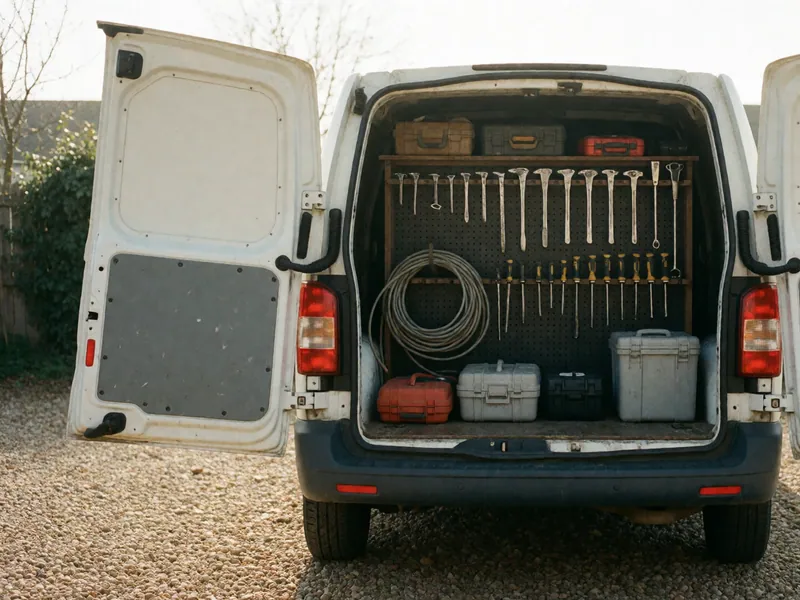
Contractors insurance
Liability, tools, the vehicle and the certificate the general contractor wants by Friday — plus New York Labour Law 240, which changes the arithmetic entirely.
$1,800 – $9,500
Commercial umbrella
The extra layer that contracts increasingly demand, sitting above your liability, your auto and usually your employers liability.
$900 – $4,500Bring the declarations page and we will read it with you
Ask us what it would cost
Send or bring the summary pages of what you already have — those two sheets are where most of the useful conversation is. We will tell you what we would place it with and what that would cost, what we are paid for doing it, and whether you should move at all. Quite often the answer is that your current policy is priced fairly and you should keep it, and that is an answer we give in writing like any other.