Home & property insurance
Water backup and home systems cover
Two of the most likely things to go wrong in a Queens house are excluded from the standard policy, and both are restored by endorsements costing less than a single cleanup. This is the cheapest page on this website to act on.
Sewer and drain backup is excluded from every standard homeowners form. So is mechanical and electrical breakdown of your own equipment — the boiler that fails from an internal fault rather than from a fire. Neither exclusion is unreasonable and both are quietly reversible.
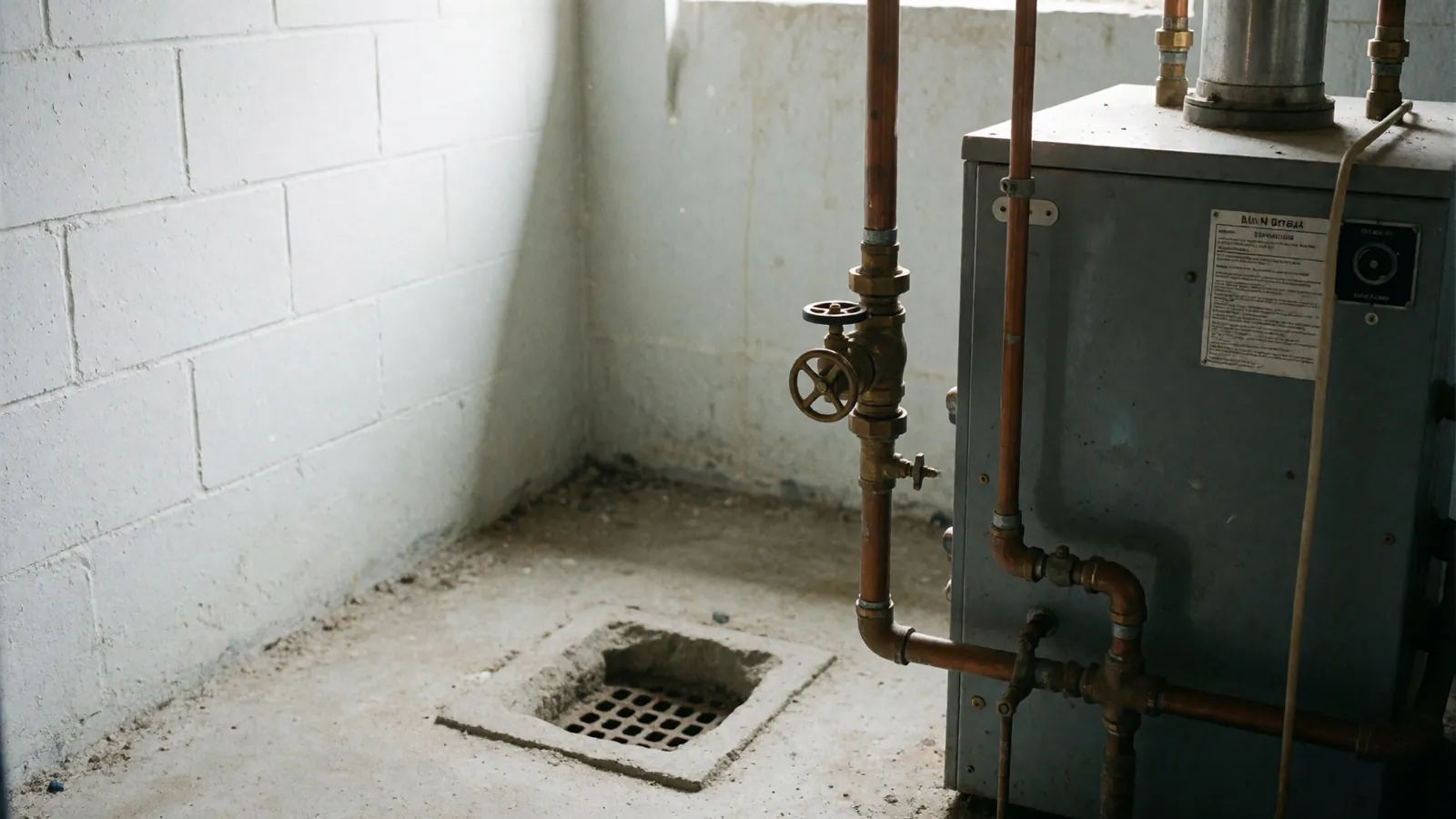
What makes them matter here rather than generally is the housing stock. Woodside and the neighbourhoods around it are full of houses built between the wars, with original cast iron waste stacks, finished basements that were never designed to be finished, and heating plant that has been in service a very long time.
Water backup: what it covers and what it does not
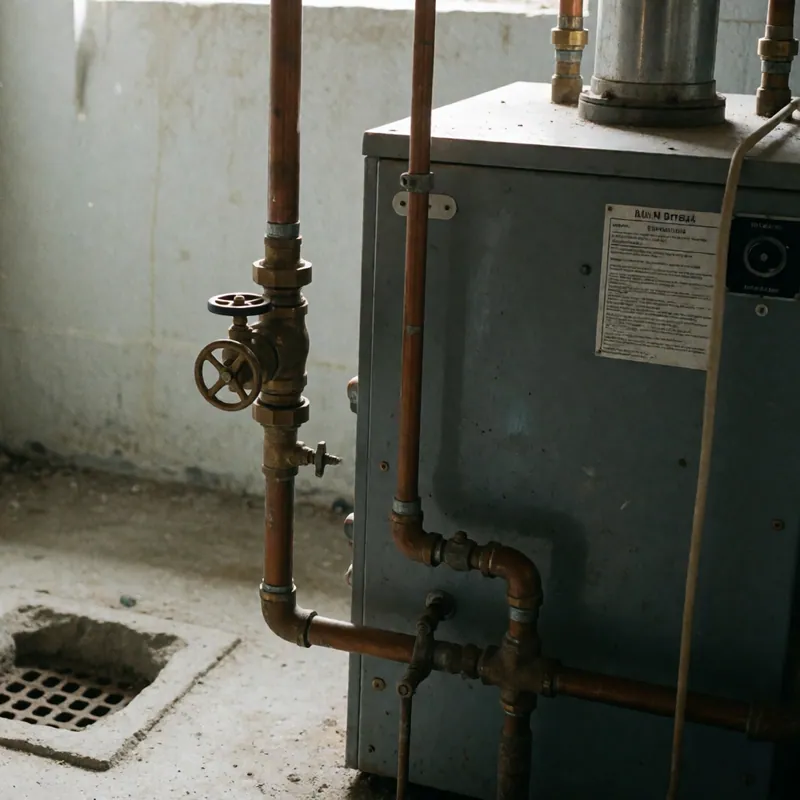
It covers water or sewage that backs up through sewers or drains, or overflows from a sump pump that failed. That is the finished basement full of water on the night of a heavy rain, and it is one of the most common substantial claims in this part of Queens.
It does not cover flood — surface water rising and entering the building — which is a different peril needing a separate flood policy. In one storm you can genuinely have both, in the same basement, within an hour of each other, and which one the adjuster determines applies is not something anybody can predict. If you have a basement worth protecting near low ground, you want both covers rather than a view about which is more likely.
Limits are usually offered in bands — $5,000, $10,000, $25,000 and upward. A finished basement with a bathroom, flooring and a boiler in it exceeds $10,000 without difficulty, and the step up in premium between bands is small. Buy the band that reflects what is actually down there.
Equipment breakdown, which is newer and underused
The standard policy covers a boiler destroyed by a fire. It does not cover the same boiler destroyed by its own control board failing, because that is mechanical breakdown rather than a sudden external event. Equipment breakdown cover fills that gap for boilers, heat pumps, air conditioning, electrical panels, well pumps and increasingly for major appliances and home electronics.
It typically costs around $25 to $60 a year and carries its own modest deductible. Given that replacing a failed boiler in a Queens two-family runs into thousands, and given how many of them are twenty years old, it is difficult to argue against at that price.
It is not a home warranty and we should be clear about that. It covers sudden breakdown, not wear, not age, and not a system that has simply reached the end of its life. A twenty-five-year-old boiler that finally stops is usually not a claim; one whose control board fails at year eight usually is.
Service line cover, the third one worth knowing about
The underground water, sewer and electrical lines running from the street to your house are generally your responsibility from the property line, and they are not covered by the standard policy either. Service line cover pays for excavation and repair when one of them fails, which in a neighbourhood with century-old connections is not a remote possibility.
It usually costs $30 to $60 a year for $10,000 of cover, and the excavation is most of the bill. Along with water backup and equipment breakdown it forms a set of three small endorsements that between them address most of what actually goes wrong in an old house, for well under $250 a year in total.
Why we quote these unasked
Because they are the endorsements with the best ratio of premium to likely claim in this housing stock, and because they are the ones a comparison website will silently leave off to produce a lower headline number. A policy without them is cheaper and worse, and the difference will not be visible until the night it matters.
They also carry no meaningful commission to speak of — the premiums are too small — which is the honest reason they are not pushed harder across this trade generally. We quote them because they are right, and you can check what we are paid on them if you would like to.
Flood is not in your homeowners policy. Flood is not in your homeowners policy and never has been. Every standard homeowners and renters form excludes it, and it is excluded whether or not you are in a mapped flood zone. Cover comes separately, from the National Flood Insurance Program or a private flood insurer, and the NFIP's standard waiting period is thirty days — which makes flood the one product where ringing us the week the forecast turns is already too late.
Included as standard
How we handle this line
All three quoted as standard
Water backup, equipment breakdown and service line, on every home policy, whether or not you asked about them.
The backup limit matched to the basement
A finished basement with a bathroom and a boiler passes $10,000 easily. We size the band to what is actually down there.
Flood quoted alongside
Because backup and flood are different perils, both can happen in one storm, and one endorsement covers only one of them.
Honest about what breakdown is not
It is not a home warranty. Sudden failure is covered; a system at the end of its life is not, and we say so before you buy.
Sump pump condition asked about
Carriers ask, and some require a working pump with a battery backup for the higher limits. Better to know at placement.
Total cost stated as one number
All three together usually land under $250 a year. We show it as a package, because that is how the decision is actually made.
When to ring us
Signs this is worth a conversation
- You have a finished basement and no water backup endorsement.
- Your boiler is more than eight years old and you have no equipment breakdown cover.
- You have had a basement backup before and assumed it was covered.
- Your water backup limit is $5,000 and your basement has a bathroom in it.
- You bought a policy through a comparison site and never saw these offered.
- Your house was built before 1950 and has its original service connections.
Water backup — what it typically costs
- Typical annual cost of adding water backup and equipment breakdown endorsements to an existing homeowners policy.$60 – $220
This is a typical premium range for this area. It is not a quote, and it is not our price. We do not set premiums: a carrier files its rates with the Department of Financial Services and our commission is already inside the filed rate, so the same policy from the same carrier costs the same through any producer in New York. What genuinely moves your own number is which carrier writes it, the limits and deductibles you choose, and the facts on your record — which is what we would go through with you before anything is quoted.
Questions we are actually asked
Water backup — frequently asked
Does homeowners insurance cover sewer backup?
Not as standard — it is excluded from every standard form. A water backup endorsement restores it, typically for $60 to $220 a year depending on the limit. In an area with this much finished basement and this much century-old waste plumbing, it is the single highest-value endorsement available.
What is the difference between water backup and flood?
Where the water came from. Backup is water returning through your own drains or sewer connection, covered by an endorsement on your home policy. Flood is surface water rising and entering the building, covered only by a separate flood policy. Both can happen in the same storm, which is why we quote both for houses near low ground.
Is equipment breakdown the same as a home warranty?
No. It covers sudden mechanical or electrical failure of your systems — a control board, a compressor, an electrical panel. It does not cover wear, age, or a system that has simply reached the end of its life, and it is not a maintenance contract. At around $25 to $60 a year it is priced as what it is.
How much do all three endorsements cost together?
Usually under $250 a year for water backup, equipment breakdown and service line combined, on a typical Queens house. Between them they address most of what actually goes wrong in older housing, which is why we quote them without being asked.
Related cover
Usually considered alongside this
Homeowners insurance
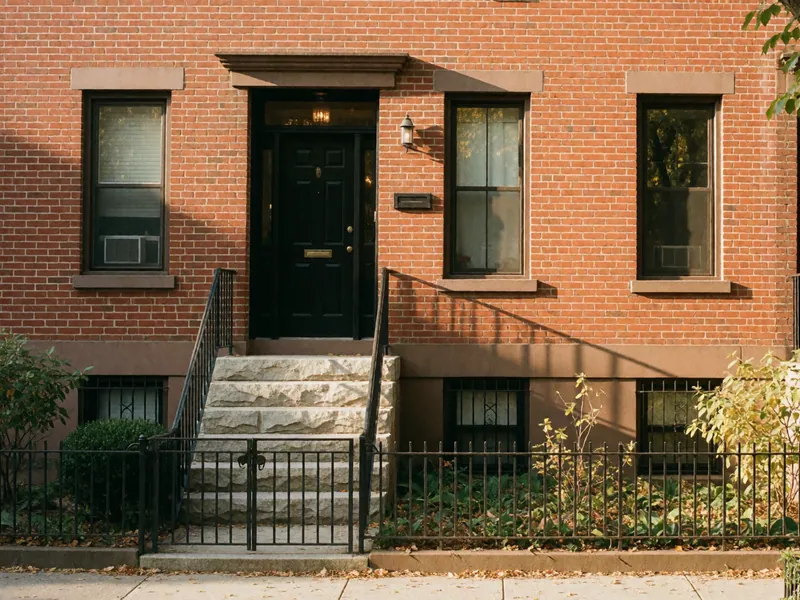
Rebuilding cost rather than market value, the four exclusions that matter in Queens, and why your mortgage company's number is not the right one.
$1,300 – $2,900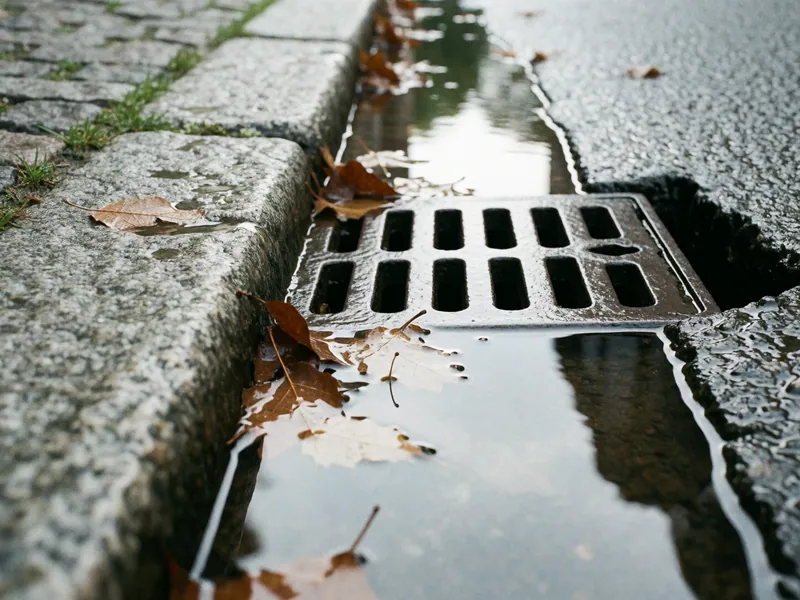
Flood insurance
Excluded from every homeowners policy ever written, mapped across a good deal of Queens, and subject to a thirty-day wait that makes late buying useless.
$700 – $2,600
Landlord insurance
The two-family house you live in half of is a different risk to the one you rent out entirely, and the policy forms are not interchangeable.
$1,600 – $3,600
Policy review
An hour with your actual declarations pages, looking for the three gaps that open quietly between renewals.
No chargeBring the declarations page and we will read it with you
Ask us what it would cost
Send or bring the summary pages of what you already have — those two sheets are where most of the useful conversation is. We will tell you what we would place it with and what that would cost, what we are paid for doing it, and whether you should move at all. Quite often the answer is that your current policy is priced fairly and you should keep it, and that is an answer we give in writing like any other.